Water Damage Restoration Insurance Garland, Texas
Real Texas Law, Explained Plainly: Not Legal Advice, Not A Sales PitchWater damage restoration insurance in Garland, Texas comes with real, enforceable rules most homeowners never hear about. Water damage is stressful enough without also having to figure out insurance law on the fly. This page exists to fix that, a real, Texas-specific explanation of how the claims process actually works, what deadlines your insurer legally has to meet, and what tends to make a claim stronger or weaker.
Texas law gives water damage claims real, enforceable structure: insurers must acknowledge your claim within 15 days, generally decide within a defined window, and pay within 5 business days of accepting, or owe you penalty interest, typically 18% annually for most claims (weather-related claims use a different, variable rate). Document everything before repairs begin, report the damage promptly, and know that “sudden and accidental” damage is covered far more reliably than gradual damage. Garland Restore documents your loss thoroughly to support your claim, we’re not a law firm or a public adjuster, and we’ll tell you plainly when you need one.
Water Damage Restoration Insurance Garland, Texas: Why This Page Exists
Water damage is one of the most common and costly perils Texas homeowners insurers pay out on every year. Per the Texas Department of Insurance’s own published data, insurers paid $8.74 billion in total homeowners losses across the state in 2025 alone (covering wind and hail, water, fire, and theft/liability claims combined) with wind and hail averaging 62% of that total since 2019, and water damage representing a substantial share of the remainder. And water damage claims carry a real, documented pattern: they’re disputed and denied at higher rates than most other claim types, largely because of one specific distinction that trips up more homeowners than anything else, the difference between sudden, accidental damage and gradual damage.
This is the core of water damage restoration insurance in Garland, TX, and that distinction isn’t insurance-company spin. It’s baked into Texas law, and it’s the single most important thing to understand before you ever pick up the phone to file.
The One Distinction That Decides Most Water Damage Claims
Sudden and accidental damage (a pipe that bursts, a water heater that fails outright, a washing machine hose that lets go) is what standard Texas homeowners policies are built to cover, minus your deductible.
Gradual damage (a slow leak behind a wall that went unnoticed for months, chronic seepage, damage tied to a lack of maintenance) is treated very differently, and often excluded entirely.
This isn’t a minor technicality, it’s the standard framing Texas regulators themselves use. Per Texas Department of Insurance consumer guidance, most homeowners policies cover sudden, accidental water damage while excluding gradual leaks and seepage as a maintenance issue. If an adjuster can reasonably argue your damage built up slowly, that’s the exclusion they’ll reach for first.
What To Do Immediately (Before You Call Anyone Else)
Stop The Source
Shut off the water if it’s safe to reach, main valve, appliance supply line, whatever applies.
Document Everything First
Wide shots of full rooms, close-ups of the source, damaged flooring, walls, belongings, before any cleanup begins.
Report Promptly
TDI’s guidance: notify your insurer as soon as possible and follow your policy’s stated deadlines, don’t wait.
Don’t Rebuild Early
No permanent repairs before the adjuster inspects, beyond emergency mitigation to stop further damage.
Keep Every Receipt
Emergency mitigation, temporary repairs, anything paid for before the claim settles.
Log Everything
Claim number, every call, every date, who you spoke with. This habit protects a claim more than almost anything else.
Your Rights Under Texas Law: The Actual Deadlines
This is the part almost no restoration company’s website actually explains, because it takes real research to get right. Here’s what Texas law requires of your insurer, not what any company promises on their own behalf:
| Step | Legal Deadline | Texas Insurance Code |
|---|---|---|
| Acknowledge your claim & request needed documentation | Within 15 days of notice | §542.055 |
| Accept or deny the claim (once all requested info is received) | Within a defined window after receipt | §542.056 |
| Pay the claim, once accepted | Within 5 business days | §542.057 |
| Penalty for missing deadlines without valid reason (most claims) | 18% annual interest + attorney’s fees | §542.060 |
| Penalty for weather/“forces of nature” claims specifically | Variable rate (5% + Texas Finance Code judgment rate) + attorney’s fees | Ch. 542A |
| Extended deadlines for weather-catastrophe claims | +15 calendar days | §542.059 |
If your insurer denies your claim, you have a real, specific right: under §542.056, you can request a written explanation for the denial, not a verbal brush-off, an actual written reason.
This is general information about Texas law, not legal advice specific to your policy or situation. Every policy has its own language, and these statutory deadlines interact with your specific facts in ways only your policy documents and, if needed, a licensed attorney or public adjuster can fully evaluate.
When A Claim Is Disputed, Not Denied: The Appraisal Clause
Sometimes an insurer doesn’t deny that your damage is covered, they just don’t agree on how much it costs to fix. That’s a different problem with a different, genuinely useful solution: most Texas homeowners policies include an appraisal clause: and as of 2026, this is no longer optional.
Here’s how appraisal actually works: if you and your insurer disagree on the dollar value of a covered loss, either side can invoke appraisal. You each appoint an independent appraiser. The two appraisers select a neutral third-party umpire. If two of the three agree on a number, that number becomes binding, without going to court. It’s faster and less expensive than litigation for genuine valuation disputes, though it’s generally only worth pursuing when the gap between your estimate and the insurer’s is large enough to justify the appraisers’ fees. One important limit: appraisal resolves how much a covered loss is worth, it does not resolve disputes about whether something is covered at all.
A related option: if the disputed amount is significant, a licensed public adjuster can represent your interests and negotiate directly with the carrier. Texas caps a public adjuster’s total fee at 10% of the settlement under Insurance Code Chapter 4102: worth knowing before agreeing to any fee arrangement.
Water Damage Claim Patterns We See In Garland Specifically
Garland’s own housing stock and geography shape which claim disputes come up most often here:
| Claim Pattern | Why It’s Contested |
|---|---|
| Slab leaks from expansive clay soil | North Texas’s clay-heavy soil shifts with moisture changes, a well-documented cause of underground pipe failure. Because these leaks often develop gradually before becoming visible, they’re exactly the kind of claim where the sudden-vs-gradual distinction gets contested most often. |
| Storm and hail-related water intrusion | Garland has real, documented severe weather history, and roof or window damage from a storm event can lead to water intrusion that shows up days later, which sometimes creates timing questions insurers scrutinize. |
| AC condensate line backups | A slowly clogged drain line that backs up into an attic over days or weeks is genuinely common here, and one of the harder categories to get classified as “sudden.” |
| Flood versus water damage confusion | Water entering from outside the home (yard flooding, storm drainage overflow near Duck Creek, Rowlett Creek, or Spring Creek) is typically a separate flood-insurance matter under the National Flood Insurance Program, not a standard homeowners claim. |
How Garland Restore Actually Supports Your Claim
We’re not a law firm, and we’re not a licensed public adjuster, and we’ll tell you clearly if your situation genuinely needs one. What we do:
| What We Do | What It Means For You |
|---|---|
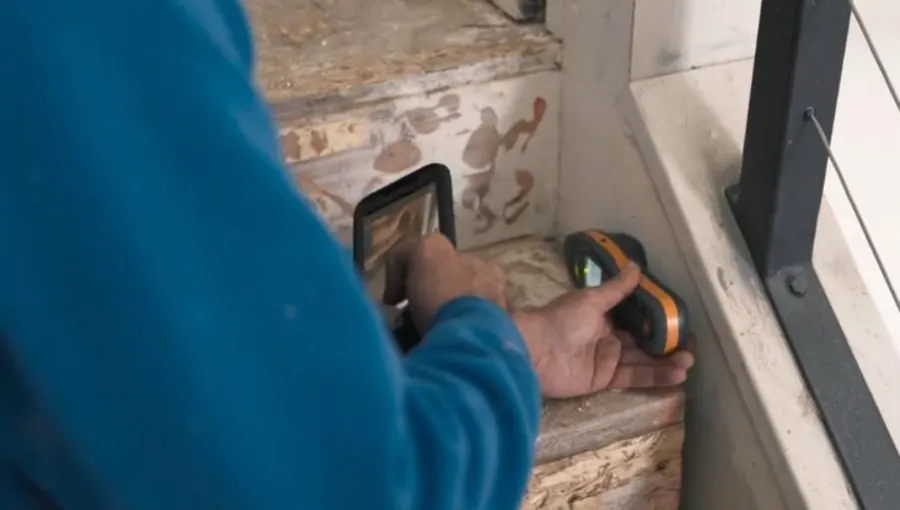
| Thorough documentation from the first visit | Photos, moisture readings, and a written scope of work that reflects the real condition of your property, not a guess. |
| A written initial scope and estimate before any work starts | We explain any necessary scope changes or additional work before proceeding, when conditions allow. |
| Direct communication with your insurance provider | When you want us to, to make sure our documentation reaches the adjuster clearly. |
| Honest answers about what we don’t know | If your claim involves a genuine coverage dispute, a bad-faith concern, or an amount significant enough that a public adjuster’s fee would be worth it, we’ll say so directly rather than pretend we can resolve it ourselves. |
Frequently Asked Questions
Real answers about water damage restoration insurance in Garland, Texas: the questions homeowners actually ask before they call.
How long does my insurer have to respond to a water damage claim in Texas?
Under Texas Insurance Code §542.055, your insurer must acknowledge your claim and request any needed documentation within 15 days of receiving notice. Once they have everything they’ve requested, they generally have a defined window to accept or deny before payment deadlines apply.
What’s the difference between sudden and gradual water damage for insurance purposes?
Sudden, accidental damage (a burst pipe, an appliance failure) is what standard Texas policies are built to cover. Gradual damage, like a slow leak that went unnoticed for months, is often excluded as a maintenance issue. This is the standard framing used in Texas Department of Insurance consumer guidance on homeowners coverage.
What if my insurance company denies my water damage claim?
You have the right to request a written explanation for the denial under Texas Insurance Code §542.056. Depending on the situation, your options from there can include disputing the specific reasoning, invoking your policy’s appraisal clause if the dispute is about dollar amount rather than coverage, engaging a licensed public adjuster, or consulting an attorney if you suspect bad faith under Chapter 541.
What is the appraisal clause, and when should I use it?
It’s a dispute-resolution process for disagreements about the dollar value of a covered loss, not whether something is covered at all. Each side appoints an independent appraiser, the two appraisers select a neutral umpire, and two-of-three agreement is binding. As of January 1, 2026, Texas Insurance Code Chapter 1813 requires this provision in all personal residential property policies issued or renewed in the state, it’s no longer just common practice, it’s a statutory requirement. It’s generally worth pursuing only when the valuation gap is large enough to justify the appraisers’ fees.
How much does a public adjuster cost in Texas?
Texas Insurance Code Chapter 4102 caps a public adjuster’s total commission at 10% of the settlement amount.
Does homeowners insurance cover flooding in Garland?
Generally, no, water that enters from outside the home, like yard flooding or storm drainage overflow, is typically a separate flood-insurance matter under the National Flood Insurance Program, not a standard homeowners claim.
Can Garland Restore handle my insurance claim for me?
We document your damage thoroughly and can communicate directly with your insurance provider, but we’re not a law firm or a licensed public adjuster. If your claim involves a real coverage dispute or a significant underpayment, we’ll tell you honestly when it’s time to involve one.