Water Extraction & Water Removal in Garland, TX
Water extraction Garland TX residents can count on starts with one simple truth: standing water doesn’t wait for a good time, and every hour it sits changes what kind of job this becomes. Water extraction is the first, most urgent step after a burst pipe, appliance failure, or storm intrusion, physically pulling water out of your home or business before it works deeper into flooring, drywall, and framing. Get the water out fast, and you’ve got a manageable job. Wait, and you’ve got a bigger one.
Garland Restore provides emergency water extraction and water removal across Garland, TX, pumps and extraction equipment on-site to pull standing water fast, trained to the ANSI/IICRC S500 industry standard for professional water damage restoration, with a written scope before any work starts. Call (972) 526-5223, day or night.
Water Extraction vs. Water Damage Restoration: What’s Actually Different
These two terms get used interchangeably, and that’s exactly what causes confusion when you’re trying to get help fast.
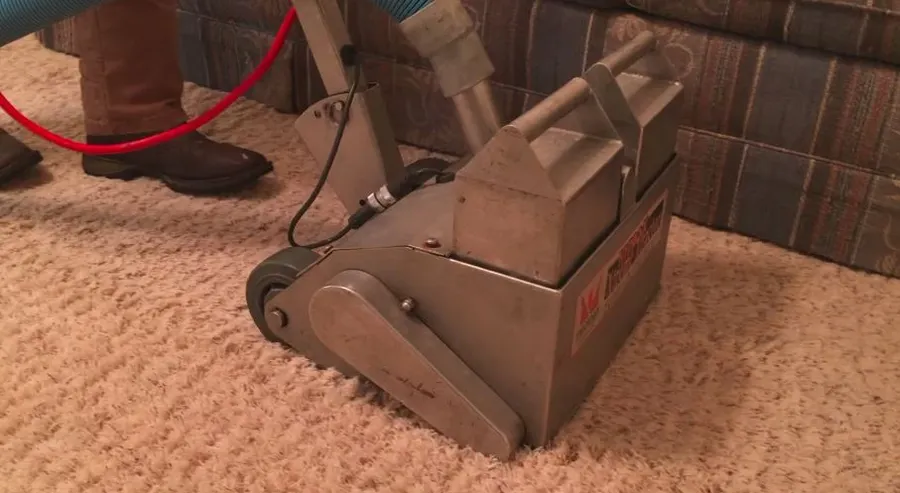
Water extraction is the physical removal of standing or trapped water, pumps and extraction equipment pulling water out of carpet, subfloor, and low points before it’s absorbed any further. It’s fast, it’s mechanical, and it’s the first thing that has to happen, period.
Water damage restoration is the whole process, extraction, then structural drying, dehumidification, moisture mapping, sanitizing, and repairing whatever the water actually got into. Extraction is the opening move of restoration, not a stand-in for it.
If you’re past standing water, warped flooring, stained ceilings, a musty smell that won’t quit, or damage from more than a day or two ago, that’s a full restoration job, and the deeper answer is here: our complete guide to water damage restoration in Garland, TX.
If there’s water on your floor right now, you’re in the right place. Keep reading.
Signs You Need Emergency Water Extraction Right Now
- ✓Standing water on flooring, visible, pooling, or spreading underfoot
- ✓Carpet that squelches or feels waterlogged when you step on it
- ✓Water actively running from a supply line, appliance, or ceiling
- ✓A garage, ground floor, or low point in the house with water after heavy rain
- ✓Water that’s been sitting more than a few hours
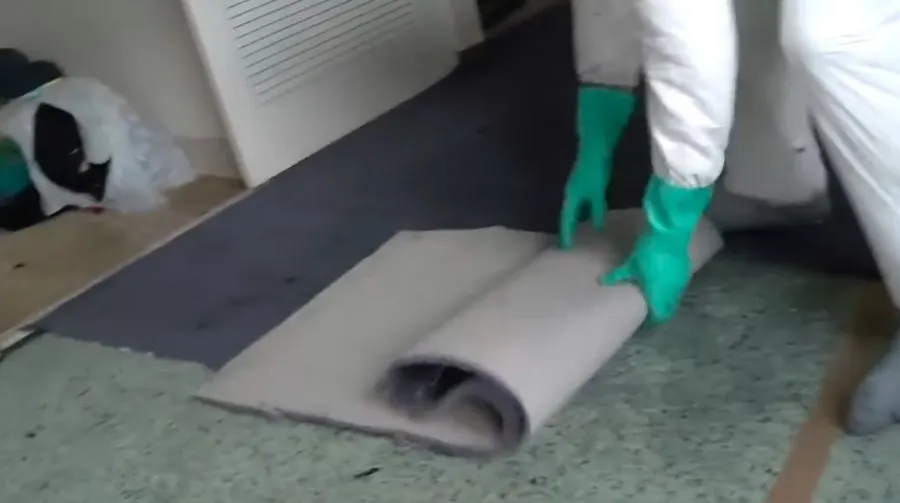
Why the clock actually matters, not just as a sales line: water can become more contaminated the longer it contacts building materials and sits untreated. Under the industry standard covering this work, the appropriate water category has to be evaluated from the actual source and conditions (not time alone) but time is still a real factor restorers watch closely, since roughly the 24-to-48-hour mark is when industry guidance says added caution is warranted. The EPA reinforces the same window from a different angle: it recommends drying wet materials within roughly 24 to 48 hours specifically to help prevent mold growth. Either way, the same practical lesson holds: the sooner extraction starts, the smaller the job stays.
How Professional Water Extraction Actually Works
This isn’t “run some fans and hope.” Water damage work in the U.S. runs on a real technical standard, the ANSI/IICRC S500, published by the Institute of Inspection, Cleaning and Restoration Certification. It’s what insurance adjusters and legitimate restoration contractors actually work from, not a marketing phrase. Here’s what that standard means in practice:
Inspection & Source ID
Where the water came from and how far it’s traveled changes everything downstream.
Category Classification
Category 1 clean, Category 2 gray, Category 3 black, this dictates what gets worn, what gets removed versus dried in place, and what health precautions apply.
Class Assessment
Separately from category, the loss gets a class rating (1 through 4) based on how much material has absorbed water and how hard it’ll be to dry.
Extraction Itself
Pumps and extraction equipment physically pull standing and absorbed water out, on most residential jobs, often completed in a single visit.
Drying & Dehumidification
This runs for days, not hours. Cutting it short is one of the most common reasons mold shows up two weeks later.
Moisture Verification
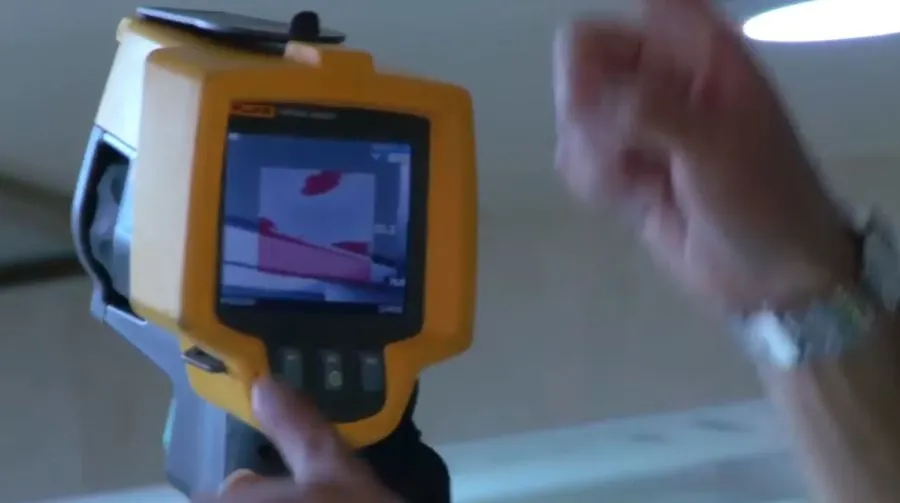
Materials get checked with a moisture meter before anyone calls it done, not by eye, not by “it feels dry.”
(Full detail on the drying and repair phase lives on our main water damage restoration guide, it’s beyond the scope of extraction alone.)
Why Garland Homes Deal With This More Than People Expect
Not generic “Texas weather is unpredictable” filler, these are the specific, checkable reasons water ends up inside Garland homes.
| Local Factor | Why It Matters |
|---|---|
| Duck Creek, Rowlett Creek, and Spring Creek | These three creeks and their tributaries account for the vast majority of Garland’s mapped 100-year floodplain, about 4,200 acres, according to the City of Garland’s own floodplain records. The city has documented real flooding along Duck Creek, including a confirmed 100-year flood event, serious enough that the city later partnered on a Duck Creek channel-widening project. Rowlett Creek runs directly through Firewheel before feeding into Lake Ray Hubbard. |
| Expansive clay soil and slab leaks | North Texas sits on clay-heavy soil that swells and shrinks with moisture changes, a well-documented cause of underground pipe failure. It’s often invisible until a stain shows up on the floor or baseboard. |
| Real, serious severe weather | On December 26, 2015, an EF4 tornado with peak winds near 180 mph formed near Garland and tracked into Rowlett, part of a 12-tornado outbreak across North Texas that day. Storm systems of that intensity frequently drive flash flooding and roof-intrusion water damage across the wider area. |
| AC condensate line backups | A quietly clogged air conditioner drain line doesn’t announce itself. It backs up into the attic and soaks through the ceiling over days or weeks before anyone notices a stain, one of the easiest sources to miss until it’s already a real problem. |
Garland Areas & ZIP Codes We Cover
Water extraction service across all of Garland, TX, 75040, 75041, 75042, 75043, 75044, 75046, 75047, and 75049.
| Area | What To Know |
|---|---|
| Firewheel (75044) | A newer, master-planned area built up since the late 1990s, with Rowlett Creek running directly through it. Proximity to the creek and the Spring Creek Greenbelt makes drainage and creek-adjacent flooding a real, standing consideration. |
| Downtown Garland & older core (75040/75041) | Some of the city’s oldest housing stock, with original plumbing more likely to be the actual water source than any storm, built before modern stormwater standards were the norm. |
| Duck Creek corridor neighborhoods | Closest to the creek itself, and the area with the most directly documented flood history in the city’s own records. |
What Water Extraction Actually Costs
Nobody wants to call and play twenty questions just to get a number. Here’s the real range, compiled from published third-party market data, not one company’s made-up pricing designed to look good on a page:
| Situation | Typical Range |
|---|---|
| Water extraction only, standing water removal, Category 1 clean water | $3 – $7 per sq. ft. |
| Small, contained emergency call (extraction + basic fan/dehumidifier setup) | A few hundred dollars up to roughly $2,000 |
| Larger emergency response (extraction + moisture mapping + full drying equipment) | Often $2,000 – $7,500+ depending on scope and category |
These are general market ranges, not a quote, the real number depends on how much water, how far it traveled, and what category it falls under. We inspect first and give you the actual number for your situation in writing, before any work starts.
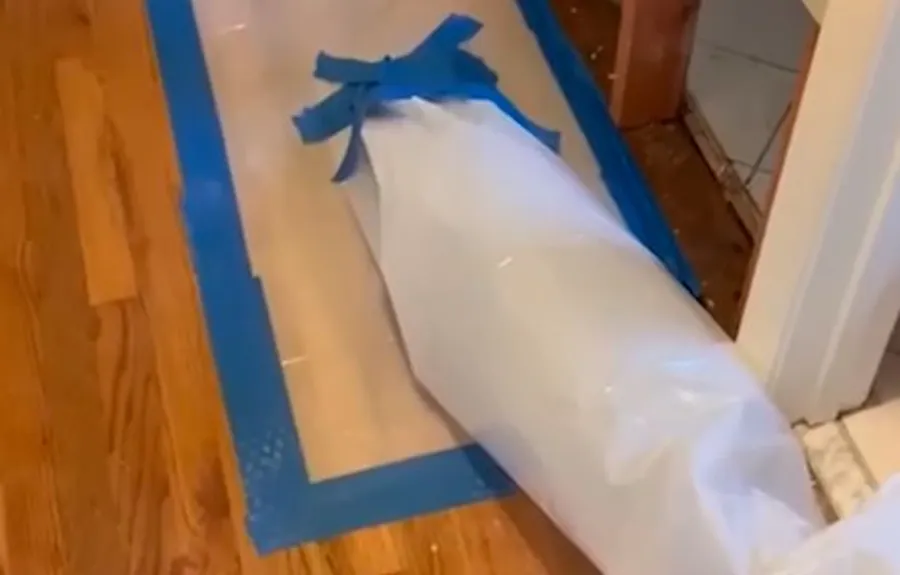
Standing-water extraction can often be completed within hours, but the actual time depends on water volume, accessibility, affected materials, and contamination category. Structural drying afterward typically takes considerably longer, days, not hours.
Does Insurance Cover Water Extraction?
Often, when the underlying cause is a covered sudden and accidental loss, a burst pipe, an appliance failure, a covered storm event. Extraction typically gets covered as part of a water damage claim, minus your deductible. Where insurers push back hardest is gradual damage (a slow leak nobody caught for months) since most policies exclude damage from a lack of maintenance rather than a sudden event.
We provide photos, moisture readings, scopes, estimates, and other technical documentation related to our restoration work, and can share that information with your insurer or adjuster when requested. Coverage decisions remain between you and your insurance company, your actual policy is the only place to get a definitive answer for your specific situation.
Can I Just Rent A Wet-Vac And Do This Myself?
Honestly: for a small, contained spill, sometimes. Nobody needs a professional crew for a gallon of water from a dropped glass.
For anything beyond that, standing water that’s been sitting for hours, water from an appliance or an unclean source, or water that’s reached carpet padding and subfloor, a household wet-vac genuinely can’t move enough volume fast enough, and it has no way to reach water trapped under padding or inside wall cavities. That’s not a scare tactic; it’s the actual mechanical difference between a shop-vac motor and a truck-mounted or commercial extraction unit. If you’ve already tried the DIY route and the situation isn’t improving, that’s usually the sign it’s moved past what rental equipment can handle.
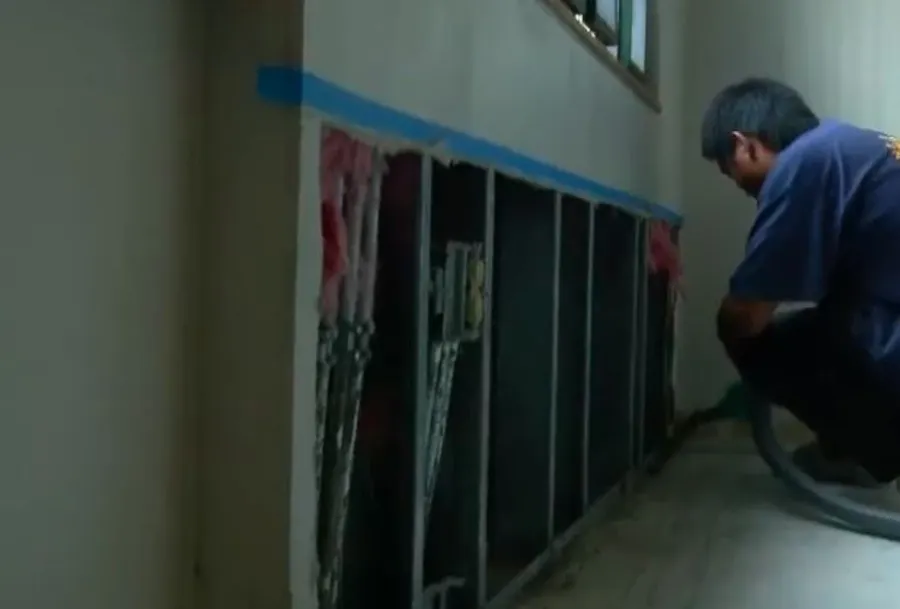
A Word On Water Damage Scams
This is a real, reported pattern, not a hypothetical. After a storm or a flood, some companies show up specifically to pressure homeowners into signing before an insurance adjuster ever sees the damage, sometimes going door to door through affected neighborhoods. Before you sign anything: get a written scope of work, confirm who’s actually doing the labor, and don’t let anyone rush you into authorizing full demolition before the actual extent of the damage has been documented. A legitimate company gives you paper before they give you a crowbar.
Frequently Asked Questions
How fast do I need to call for water extraction?
As fast as you reasonably can. Water can become more contaminated the longer it contacts building materials and sits untreated, so the appropriate response window matters even though the exact water category depends on the source and conditions, not time alone. The EPA also recommends drying wet materials within roughly 24 to 48 hours to help prevent mold growth.
What’s the difference between water extraction and water mitigation?
They’re closely related, not identical. Extraction is physically removing the water. Mitigation is the broader effort to stop damage from spreading, extraction is usually the biggest single part of mitigation, but mitigation can also include things like tarping a damaged roof or shutting off a water source.
Can I just rent a wet-vac and do this myself?
For a small, contained spill, sometimes. For anything beyond a few gallons, water that’s been standing for hours, or water from an unclean source, professional extraction equipment moves far more water, far faster, and reaches under padding and subflooring in a way rental equipment generally can’t.
Will water extraction alone stop mold?
No. Extraction removes standing water, but mold prevention also depends on thoroughly drying the affected materials. The EPA recommends drying wet building materials within roughly 24 to 48 hours to help prevent mold growth.
Do you work with my insurance company directly?
Yes: we provide photos, moisture readings, scopes, estimates, and other technical documentation related to our restoration work, and can share that information with your insurer or adjuster when requested. Coverage decisions remain between you and your insurance company.
How long does water extraction itself take?
Standing-water extraction can often be completed within hours, but the actual time depends on water volume, accessibility, affected materials, and contamination category. Structural drying afterward typically takes considerably longer, several days, not hours.
What areas of Garland do you cover?
All of Garland, including 75040, 75041, 75042, 75043, 75044, 75046, 75047, and 75049.