Sewage Cleanup in Garland, TX
⚠ Category 3 Biohazard: Not A DIY JobSewage cleanup Garland TX residents can count on starts with one rule: if raw sewage is backing up into your home or business right now, keep everyone (especially kids and pets) away from the affected area and call. This isn’t a job for a mop and a shop-vac. Sewage cleanup is a biohazard response, and how fast and how thoroughly it’s handled determines whether this stays a contained problem or becomes a much bigger, more expensive one.
Garland Restore provides 24/7 sewage cleanup and sewer backup cleanup across Garland, TX, full Category 3 black water decontamination, EPA-registered disinfectants used according to label directions, and a written scope before any work starts. We’re trained to handle raw sewage safely, not just clean up what’s visible. Call (972) 526-5223, any time, day or night.
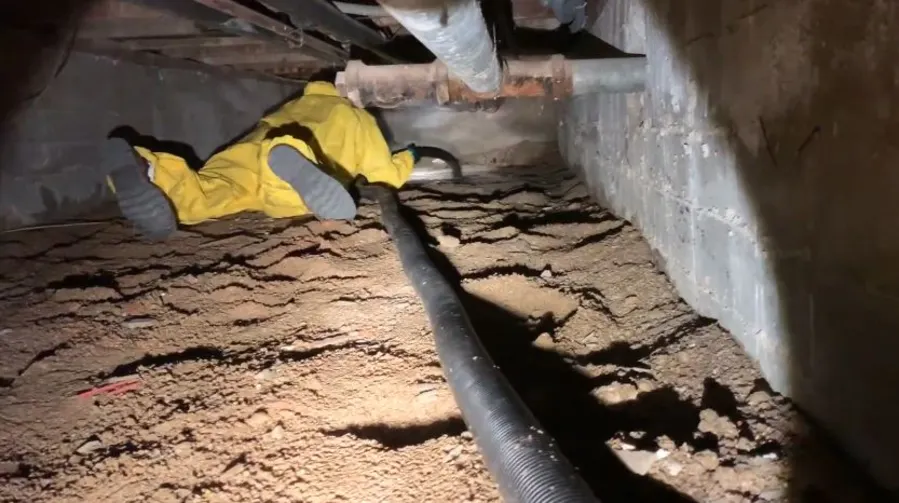
Sewage Cleanup Isn’t “Extra Careful” Water Extraction: It’s A Different Job Entirely
A burst supply line and a sewage backup might look similar on your floor, but they are not the same problem. Under the ANSI/IICRC S500 standard (the real industry framework for water damage work) raw sewage is classified as Category 3 “black water”: grossly contaminated water that requires full protective equipment and different containment. Porous materials that can’t be adequately cleaned and decontaminated may need to be removed (including affected carpet pad, insulation, and portions of drywall) depending on the material, the level of contamination, and how long it sat before treatment.
If what you’re dealing with is standing water from a clean source, that’s a different page: our full guide to water extraction in Garland, TX. If it’s sewage, contamination, or you’re not sure which, keep reading, and don’t touch it barehanded either way.
Why Sewage Backups Are A Real, Documented Problem In Garland
Not generic scare-copy, Garland’s own sewer infrastructure has had real, reported failures. In one CBS DFW-covered incident, maintenance work damaged a sewer line near Garland Road and Arapaho Road, sending more than 20,700 gallons of raw sewage into a nearby creek before city crews were able to stop the flow and begin cleanup and testing. That’s not a hypothetical, it’s a documented example of exactly how a city sewer main failure can turn into a real property and environmental problem with very little warning.
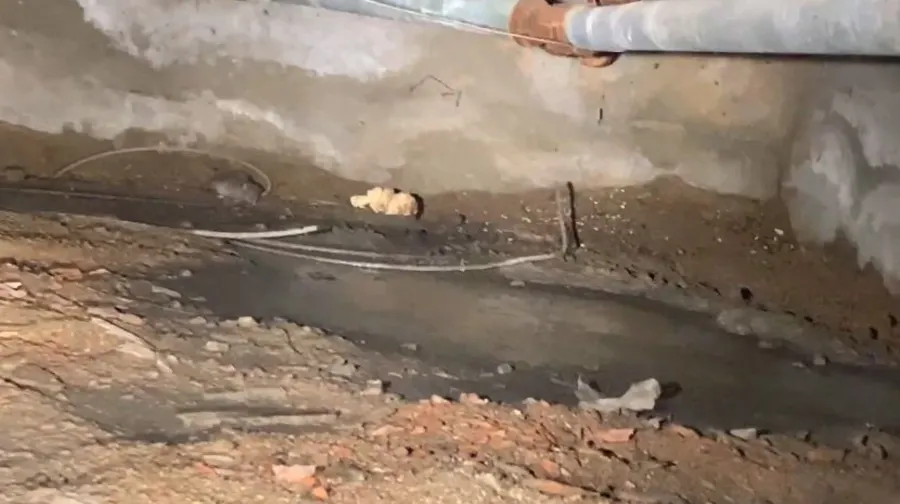
Common Causes Of Sewer Backups In Garland
| Cause | Why It Happens Here |
|---|---|
| Tree root intrusion | Mature trees are common throughout Garland’s older neighborhoods, and roots seeking moisture are a well-documented cause of sewer lateral line cracks and blockages over time. |
| Aging sewer laterals | The private pipe connecting your home to the city’s main sewer line is your responsibility, not the city’s, and much of Garland’s older housing stock dates to the 1960s–70s, when this kind of pipe age is a real, common contributing factor. |
| Fats, oils, and grease (FOG) | The City of Garland specifically warns residents that grease and improperly flushed materials can clog both household and municipal wastewater lines; cooking grease poured down drains solidifies inside pipes over years. |
| City main line backups during heavy rain | Garland’s own Water Utilities department actively monitors wastewater collection flows during rain events, because rainwater and groundwater can seep into cracked or defective pipes and add to the system’s load. In one documented incident reported by WFAA, heavy rains overwhelmed the Rowlett Creek Wastewater Treatment Plant badly enough that the city deliberately released 14 million gallons of treated effluent over 10 hours to prevent the plant itself from flooding. |
| Expansive clay soil | The same soil movement that causes slab leaks in North Texas homes also shifts and stresses underground sewer pipe over time, contributing to the misaligned joints and cracks that lead to backups. |
What’s Actually In Raw Sewage: And Why It’s Dangerous
This isn’t fearmongering; it’s the real, documented health picture. Raw sewage can carry:
| Pathogen | What It Causes |
|---|---|
| E. coli & Salmonella | Diarrhea, fever, cramps, and vomiting |
| Hepatitis A | A viral liver disease causing jaundice, fatigue, and abdominal pain |
| Giardia & Cryptosporidium | Diarrhea and stomach cramps, notably resistant to household bleach |
| Leptospirosis | A bacterial infection that, left untreated, can affect the kidneys and liver |
This is exactly why sewage cleanup requires real personal protective equipment and proper disinfection, not a mask and some paper towels. If you or anyone in your household has come into direct contact with raw sewage, the CDC’s guidance is straightforward: wash thoroughly with soap and water, and contact a healthcare provider if symptoms like fever, vomiting, or diarrhea develop afterward.
Is The Backup My Plumbing, Or The City’s Sewer?
Before anyone shows up with equipment, this is the real question worth answering first, because it changes who you actually need to call.
Every Garland home has a sanitary sewer cleanout: usually a capped pipe near the foundation. Per the City of Garland’s own guidance, checking it tells you where the problem likely sits:
| Cleanout Condition | Likely Location Of The Problem |
|---|---|
| Dry | Most likely under or inside the house, a plumbing problem on your side of the line. |
| Holding water or overflowing | More likely toward the City’s sewer main, a public system issue, not yours. |
Garland maintains a 24/7 water and wastewater emergency line at 972-205-3210 for exactly this kind of situation, that’s the number to call if you suspect the problem is on the city’s side.
| Situation | Who To Call |
|---|---|
| Suspected public sewer or main line problem | City of Garland: 972-205-3210 |
| A blockage or broken line on your side needing diagnosis/repair | A licensed plumber |
| Sewage has already entered your home and contaminated flooring, walls, or contents | Garland Restore: (972) 526-5223 |
Our Sewage Cleanup Process
Contain & Stop The Source
Before anything else, we identify and stop what’s actively feeding the backup, you can’t clean up a problem that’s still happening.
Full PPE & Biohazard Protocol
Our crew suits up properly for Category 3 contaminated water, this isn’t optional, and it’s exactly why DIY sewage cleanup is genuinely risky.
Extraction
Pumps and extraction equipment remove the standing contaminated water and waste material.
Removal Of Unsalvageable Materials
Porous materials that can’t be adequately cleaned and decontaminated (carpet, padding, insulation, sometimes portions of drywall) are removed based on the actual material and level of contamination, not a blanket rule.
Disinfection & Sanitizing
EPA-registered antimicrobial treatment on every affected surface, not just the areas that look visibly dirty.
Drying & Odor Treatment
Once the area is clean, it still needs to dry completely and be treated for the odor that raw sewage leaves behind in porous surfaces.
Documentation
Photos, moisture readings, and a written scope of everything removed and treated, for your insurer, and for your own records.
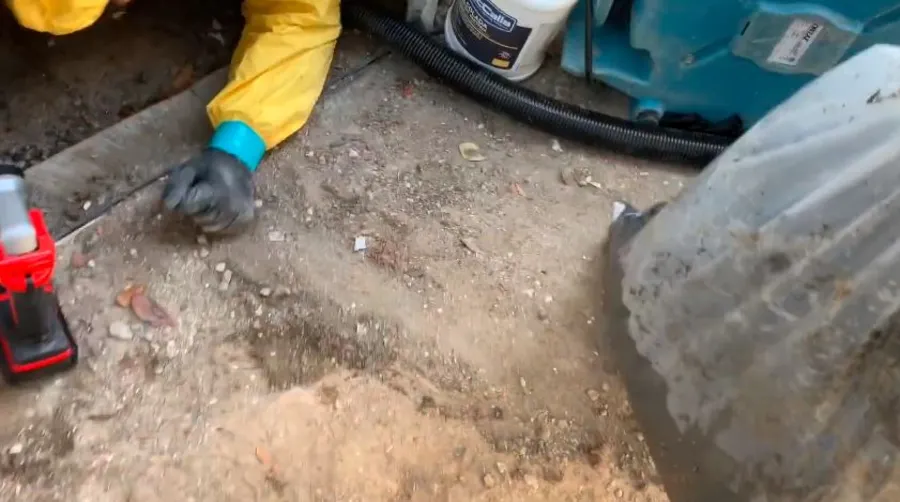
Sewage Cleanup Cost In Garland
General market ranges, not a quote, the real number depends on how much area is affected and how far the contamination traveled. We inspect first and give you the actual number in writing before any work starts.
| Situation | Typical Range |
|---|---|
| Small, contained backup (single bathroom, caught early) | $1,500 – $4,000 |
| Moderate backup (multiple rooms, some material removal) | $4,000 – $10,000 |
| Severe backup (whole-floor contamination, extensive removal) | $10,000 – $25,000+ |
Sewage cleanup generally costs more than a clean-water job of the same size, the Category 3 classification means more protective equipment, more material removal, and a more involved disinfection process, not just more water to pump out.
Does Insurance Cover Sewage Cleanup?
Sewer-backup coverage depends on your specific policy. Per the Texas Department of Insurance, some Texas home policies cover water or sewage entering through sewers or drains, while others require additional sewer/drain backup coverage added as an endorsement. If the cause traces back to a city sewer main failure rather than your own private lateral, that’s a different conversation entirely, and may involve the city rather than your insurer.
We document everything thoroughly and can work directly with your insurance provider, but checking your declarations and endorsements (or asking your insurer directly) before assuming the loss is covered is the only way to know for certain.
Can I Clean Up Sewage Myself?
For a small amount of clean water, sure. For actual sewage, never, beyond the most immediate emergency steps (shutting off the source, keeping people and pets away, and calling for help). Raw sewage genuinely requires protective equipment most households don’t have, disinfectants strong enough to handle pathogens like Cryptosporidium that resist ordinary bleach, and the judgment to know which materials can be saved and which have to go. This is one of the clearest cases where a DIY attempt isn’t just less effective, it’s a real health risk to whoever’s doing the cleaning.
Frequently Asked Questions
How much does it cost for sewage cleanup?
It depends on how much area is affected and how far the contamination spread, small, contained backups typically run $1,500–$4,000, while severe whole-floor contamination can run $10,000–$25,000 or more. We inspect first and provide a written estimate before any work begins.
Who do I call first for a sewer backup in Garland?
Check your sanitary sewer cleanout first. Dry cleanout, likely your plumbing, call a licensed plumber. Cleanout holding water or overflowing, likely the city’s main, call Garland’s 24/7 water/wastewater emergency line at 972-205-3210. Either way, once sewage has actually entered your home and contaminated flooring, walls, or contents, that cleanup and decontamination step is ours to handle.
Is sewage backup dangerous to my family?
Yes. Raw sewage is classified as Category 3 “black water” and can carry E. coli, Salmonella, Hepatitis A, Giardia, and other pathogens. Keep children and pets away from the affected area, avoid direct contact, and wash thoroughly with soap and water if contact happens.
Do you work with my insurance company?
Yes: we document the damage thoroughly and can work directly with your insurance provider. Per the Texas Department of Insurance, sewer-backup coverage depends on your specific policy (some Texas home policies cover it, others require a separate sewer/drain backup endorsement) so it’s worth checking your declarations or asking your insurer directly.
Can sewage cleanup work happen at night or outside normal hours?
Often, yes. Garland’s noise ordinance exempts qualifying emergency work protecting health, safety, or welfare from its standard restrictions, and a genuine sewage emergency generally falls under that provision. Applicability depends on the specific circumstances, so work is still performed with reasonable consideration for neighboring properties.
What causes sewage backups in Garland specifically?
Common causes include tree root intrusion into sewer laterals, aging pipe in the city’s older housing stock, fats/oils/grease buildup, expansive clay soil stressing underground pipe, and (during serious storms) city main line backups affecting homes at lower elevation relative to the main.
Can I clean up sewage myself?
Not safely, beyond shutting off the source and keeping people and pets away. Raw sewage requires real protective equipment and disinfectants capable of handling resistant pathogens, this is one of the clearest situations where professional handling isn’t optional.