Burst Pipe Repair Garland, TX: Water Cleanup After a Plumbing Leak
We handle the water, not the pipe.Burst pipe repair Garland homeowners need comes in two parts. A licensed plumber fixes the pipe, and Garland Restore handles the water damage: extracting standing water, drying the structure with IICRC S500 methods and documenting the damage for your insurance claim. A burst pipe or plumbing leak can put a large volume of water into your home quickly, and it doesn’t stay where you can see it. We are not plumbers, and we don’t repair the pipe itself.
Serving Garland and the surrounding communities, including Rowlett, Richardson, Mesquite, Sachse, Rockwall and Plano.
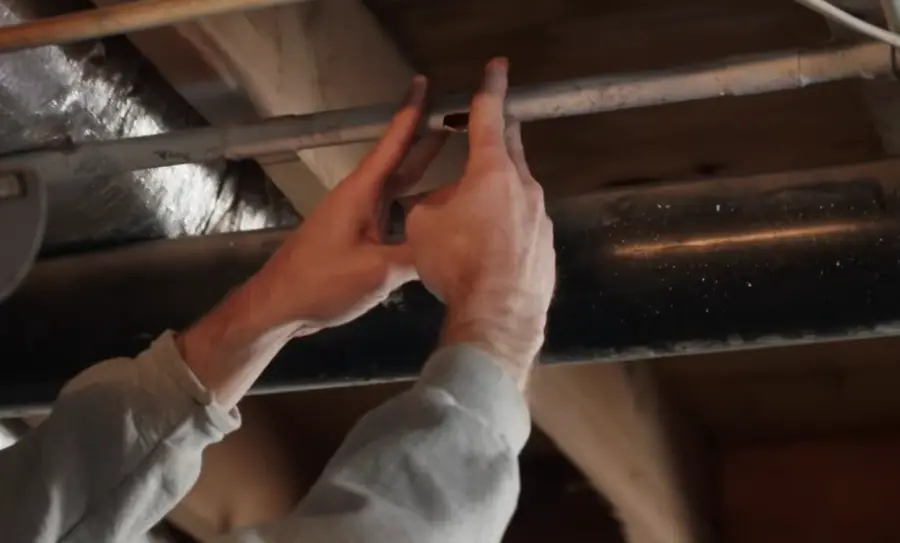
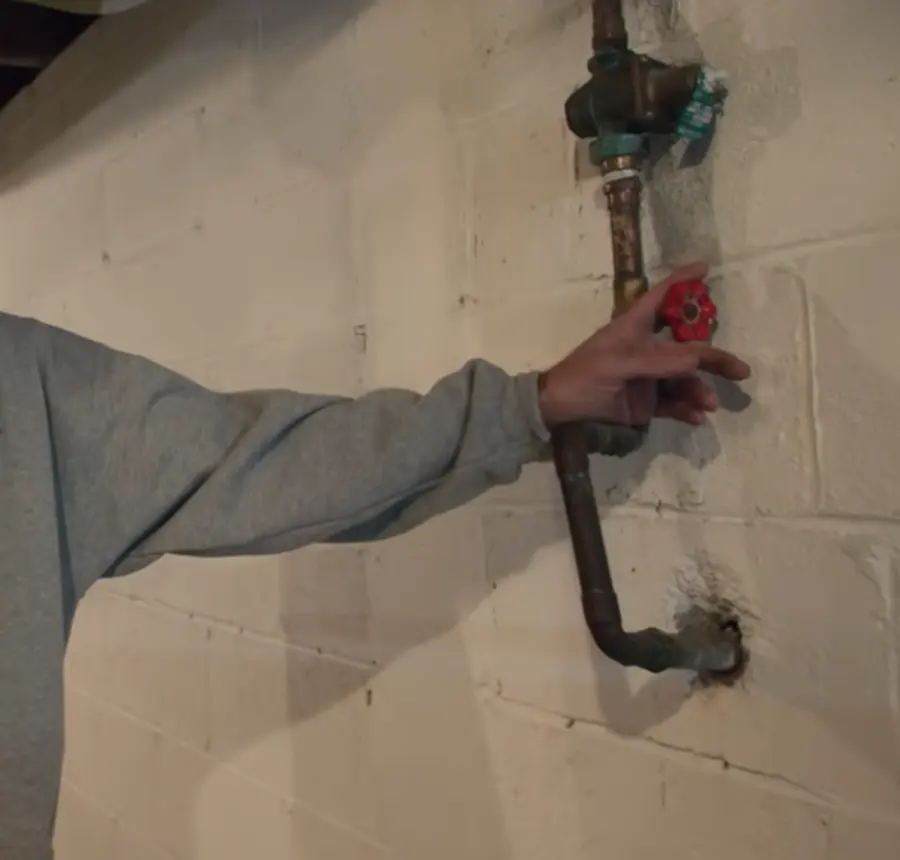
If your pipe just burst, do this first
Shut off the water at your home’s main shutoff valve. It is the single most useful thing you can do before anyone arrives, and the Texas Department of Insurance calls it out directly: “turn the water off at the main and move expensive items off the floor.” TDI also warns that your insurer may deny your claim if you don’t protect your property.
If you don’t know where your main shutoff is, find it today, before an emergency. It is typically near where the water line enters the house, in a garage, utility closet or exterior wall.
After the water is off
- If water is near outlets, switches or your electrical panel, avoid the area and shut off power to that section if you can do so safely.
- Move furniture, rugs and valuables off the floor and out of the affected area.
- Take photos of the damage before you move or discard anything, for your own records and your insurance claim.
- Call a plumber to stop and repair the source, and call Garland Restore to start water extraction and drying before moisture spreads further into your home.
Burst pipe repair Garland: who do you call first, a plumber or a restoration company?
Both, but for different jobs, and the order matters less than making sure both calls happen. The plumber repairs the source. Garland Restore handles the resulting water damage.
A licensed plumber
Stops and repairs the broken pipe itself. That is plumbing work, and it is not something Garland Restore performs.
Garland Restore
Handles everything the water did once it was in your home: assessing how far moisture traveled, extracting standing water, and drying the structure, walls and flooring before it turns into a bigger problem.
What happens after the plumber leaves
Once the leak is stopped, the water that is already inside your home doesn’t go anywhere on its own. This is where our work actually starts.
A technician inspects the affected areas, uses moisture meters to map how far water traveled (often further than it looks, especially behind walls and under flooring), extracts any standing water, and sets up a drying plan using air movers and dehumidifiers matched to the affected materials. We check moisture levels throughout the drying process, not just once, because a structure that feels dry on the surface can still be wet underneath.
How far water actually travels
Water from a burst pipe or a plumbing leak rarely stays contained to the room you can see it in. It moves along framing, through wall cavities, under baseboards and into subfloors, often traveling well beyond the visible wet spot before anyone notices.
Gypsum drywall in particular can wick moisture upward and sideways from a wet baseboard line, which is part of why a moisture reading, not just a visual check, matters before deciding what can be dried in place and what needs to come out.
This is also why a small leak that goes unnoticed for days, behind a cabinet or inside a wall, can end up causing more damage than a dramatic burst that is caught and shut off immediately.
Can my drywall, flooring, cabinets and insulation be saved?
It depends on how long the material was wet, what kind of water it was and how it is built, not on a single blanket rule in either direction.
Drywall
Clean water caught quickly, on drywall that is still structurally sound, can often be dried in place rather than removed. Drywall that stayed wet too long, or was exposed to contaminated water, generally needs to come out above the waterline. A moisture reading, not how it looks or feels, is what actually decides this.
Insulation
Wet fiberglass batt insulation typically loses its effectiveness once soaked and usually needs to be replaced rather than dried. It is one of the more clear-cut calls in this list.
Hardwood, engineered wood and laminate
Solid hardwood has the best odds of survival if water is caught and extraction starts quickly. Laminate and engineered flooring generally tolerate standing water and saturation far less well, regardless of how fast it is addressed. Every case still depends on how long the water sat and what is underneath.
Subfloor
The visible floor finish is not the whole story. Subfloor condition underneath carpet, hardwood or tile often drives the real decision about what needs to come up, even when the surface looks fine.
Cabinets
Water pooling at a cabinet’s toe-kick or base is an easy way for ongoing moisture to go unnoticed, since it is low, often hidden and rarely checked until it has been an issue for a while. It deserves a specific look, not an afterthought.
Ceilings
If water came from above, such as an upstairs supply line or an attic pipe, a saturated ceiling can sag or, in serious cases, fail structurally. This is treated as a safety issue first, not just a drying one.
How our drying process works
Structural drying follows IICRC S500, the restoration industry’s reference standard for water damage. In practice that means extracting standing water first, mapping moisture across affected materials (not just the room that looks wet), then using air movers and dehumidifiers sized to the space and materials involved to bring moisture content down to a normal, stable range.
“Dry” isn’t a guess and it isn’t just how something looks or feels. A structure can look and feel dry on the surface while framing or subfloor underneath is still holding moisture. We verify drying with moisture meters throughout the process and don’t call a job finished on a visual check alone.
If HVAC ductwork or equipment was in contact with affected water, it gets assessed the same way, following IICRC S590, rather than assumed to need full replacement or assumed to be fine.
Will a burst pipe cause mold?
It can, if wet materials aren’t dried quickly, but there is no fixed hour count that guarantees it either way. EPA guidance is to dry wet materials within roughly 24 to 48 hours to help prevent mold growth. That window is a drying target, not a hard deadline after which mold is certain or before which it is impossible.
How fast mold becomes a problem depends on the material, the water category, humidity and temperature. That is exactly why fast extraction and verified drying, not just fans left running, are what actually manage the risk. If mold is already visible or suspected, that is a separate scope of work. See our mold remediation page for what that involves.
Does insurance cover a burst pipe in Texas?
Usually, but not automatically, and not the same way a slow leak is covered. The Texas Department of Insurance says most homeowners policies cover water damage from leaks and broken pipes, but there are exceptions. The exceptions matter as much as the rule.
Sudden and accidental vs. gradual
A pipe that bursts suddenly is generally treated differently for insurance purposes than water damage from a leak that was slow, ongoing or the result of deferred maintenance. A gradual leak or seepage is often excluded as a maintenance issue rather than a covered loss. Confirm against your specific policy language rather than assuming either way.
Protecting your property
TDI is direct about this: your insurer may deny your claim if you don’t protect your property. Shutting off the water and taking reasonable steps to prevent further damage is not just good practice. It can be a condition of your coverage.
The pipe repair itself
TDI’s guidance addresses coverage for the water damage a burst pipe causes, but it doesn’t spell out whether the pipe repair itself is covered. That tends to depend on your specific policy and the cause of the break, so ask your insurer directly.
Renters
If you rent, the owner’s policy won’t cover your furniture, electronics, clothing or other personal items. Your own renters policy, if you have one, is what would cover your personal property.
Flooding is different
Homeowners and renters insurance covers leaks that happen inside your home. It does not cover flooding, meaning water entering from outside such as a rising creek or storm runoff, which requires separate flood coverage. If your situation involves both, our flood and storm damage page covers that distinction in more depth.
Uri is one of the clearest examples of how fast and how widely a cold snap can turn into a plumbing emergency across the state, and it is part of why frozen-pipe risk deserves attention every winter.
Garland Restore documents the damage, moisture readings and drying process thoroughly so you have what you need to support your claim. We accept major insurance carriers and can bill directly in many cases, but we don’t adjust, negotiate or guarantee the outcome of your claim. That is between you and your insurer. For the general claims process and deadlines, see our insurance claims page.
Source: Texas Department of Insurance, burst pipes and insurance
Common causes of burst pipes and leaks in Garland homes
Frozen pipes
Exterior-facing and attic-run pipes are most at risk during North Texas cold snaps. When water inside a pipe freezes and expands, it can crack the pipe, and the break often isn’t obvious until the ice thaws and water starts flowing.
Supply lines and hoses
Washing machine hoses, toilet supply lines and refrigerator waterlines are common failure points, often because a hose has simply aged out or was never fully tightened.
Water heaters
A failing water heater can leak or fail outright. That is an appliance and plumbing issue first, and our role starts once water has entered the surrounding structure.
Slab leaks
A leak in a pipe running under your home’s foundation is a plumbing problem that needs a licensed plumber to locate and repair. We come in afterward if water has affected the flooring or structure above it.
None of this is a guarantee that any particular home will have a plumbing failure. It is context for why these issues are common enough to plan for.
Garland water shutoff, permits and utility resources
Knowing where your main water shutoff is before you need it is the most useful preparation step available to any homeowner. If you are not sure where yours is, your home inspection report (if you have one) or a licensed plumber can locate it quickly.
For permitted plumbing work, such as significant repiping or under-slab repair, the City of Garland has pages on under-slab repairs, plumbing permits and leak adjustments (a program some residents may qualify for to adjust a water bill after a qualifying leak). We point you to the City’s current pages rather than guess at specific permit thresholds or eligibility rules here. You can also reach Garland’s Building Inspection office at 972-205-2300.
Any plumbing repair itself requires a licensed plumber under Texas State Board of Plumbing Examiners rules, the same licensing requirement that applies statewide.
Commercial pipe damage, cost and drying time
Commercial burst pipe and plumbing leak damage
A burst pipe or plumbing failure in a commercial building carries its own pressure: every hour water sits is an hour of potential downtime, inventory risk or disruption to tenants and customers. The same core process applies, extraction, moisture mapping and structural drying, scaled to the building and coordinated around your operating hours where possible.
For a broader look, see our commercial water damage restoration page.
What drives cost, and how long drying takes
Cost and timeline both depend on how much water was involved, how long it sat before extraction started, what materials were affected, and how much needs to be dried versus removed. A quickly caught, clean-water pipe burst is a very different job from a leak that went unnoticed for days.
For a fuller look at pricing, see our water damage restoration cost guide.
We handle the water damage
- IICRC S500-trained technicians
- Licensed and insured in Texas
- 24/7 emergency response
- Major insurance carriers accepted, with direct billing available in many cases
- Serving Garland, Rowlett, Richardson, Mesquite, Sachse, Rockwall and Plano
For burst pipe repair Garland, TX residents need a licensed plumber for the pipe itself, which is not our job. We are upfront about that because getting the distinction right the first time saves you a wasted call in an emergency. For a broader look at how a loss is handled from the first call through final drying, see our overview of water damage restoration in Garland, TX.
Frequently Asked Questions
What should I do first when a pipe bursts?
Shut off the water at your home’s main shutoff valve, move valuables away from the water, and if it’s safe to do so, cut power to any affected outlets or switches. Then call a plumber to stop the source and Garland Restore to begin water extraction and drying.
Who do I call first for burst pipe repair Garland TX, a plumber or a restoration company?
Both are usually needed, for different jobs. A licensed plumber repairs the broken pipe itself, and Garland Restore handles the water that’s already inside your home, extraction and drying. If you can only make one call immediately, prioritize whichever stops active water flow fastest.
What happens after the plumber fixes the pipe?
The water damage doesn’t repair itself once the leak is stopped. That’s when moisture mapping, water extraction and structural drying begin, the part of the job Garland Restore handles.
Can wet drywall be dried without removing it?
Sometimes. Clean water caught quickly on structurally sound drywall can often be dried in place. Drywall that stayed wet too long or was exposed to contaminated water usually needs to be removed above the waterline. A moisture reading decides this, not how the drywall looks.
Does wet insulation need to be removed?
Usually, yes. Wet fiberglass batt insulation typically loses its effectiveness once soaked and is generally replaced rather than dried.
Can hardwood floors be saved after a pipe bursts?
Often, if water is caught and extraction starts quickly. Laminate and engineered flooring tolerate saturation less well than solid hardwood, regardless of how fast it’s addressed.
How long does structural drying take?
It depends on how much water was involved, how long it sat and what materials were affected, so there’s no single fixed timeline. Drying is complete when moisture readings confirm it, not on a set schedule.
Does homeowners insurance cover a burst pipe in Texas?
Usually, with exceptions. Most homeowners policies cover sudden water damage from a burst pipe, but a slow or long-term leak is often treated differently, closer to a maintenance issue, and coverage depends on your specific policy.
Does insurance pay to repair the pipe itself?
This depends on your specific policy and isn’t spelled out clearly in general guidance, so it’s worth asking your insurer directly. Coverage for the resulting water damage and coverage for the pipe repair itself are often treated as separate questions.
What’s the difference between a sudden burst and a gradual leak for insurance purposes?
A sudden, accidental event like a pipe bursting is generally treated differently than damage from a leak that developed slowly over time or went unaddressed, which insurers may view as a maintenance issue rather than a covered loss. Always confirm against your own policy language.