Water Damage Restoration in Rowlett, TX
Two Counties, One Lake, A City That’s Rebuilt From Worse Than A Burst Pipe Before.If you’ve got water where it shouldn’t be (a lakeside home near Lake Ray Hubbard, an apartment off Dalrock Road, a commercial space along Lakeview Parkway) you need someone from our Garland-based water damage restoration team who actually knows Rowlett, not a Garland company that bolted a Rowlett page onto their site without knowing the difference between 75088 and 75089.
Rowlett: A Lake City With Real Water History
Rowlett sits on two peninsulas reaching into Lake Ray Hubbard, split across two counties: Dallas County and Rockwall County, with Dalrock Road marking the actual dividing line. That’s not trivia. It means your water damage situation in Rowlett can involve different county permitting, different floodplain maps, and different emergency response jurisdictions depending on which side of Dalrock Road you’re on.
The lake itself is bigger than most people realize: Lake Ray Hubbard was completed in 1971, is owned by the City of Dallas, and serves as one of Dallas’s drinking water reservoirs, with more than 30 miles of shoreline touching Rowlett. That lakefront identity is exactly why Rowlett properties face a water-risk profile that inland Garland neighborhoods simply don’t have: elevated humidity near the shore, wind-driven rain during North Texas storms, and low-lying areas that catch runoff before it reaches the lake.
Rowlett zip codes 75088 (the lakeside, central and southern core, still growing) and 75089 (the downtown and Rowlett Town Center area) each carry a slightly different housing and infrastructure profile, and we treat them that way instead of using one generic approach for the whole city.
The Rowlett History Most Restoration Companies Never Mention
On December 26, 2015, an EF3 tornado tore through Rowlett, part of the same outbreak that hit Garland and Sunnyvale that night, reaching EF4 intensity at its peak along the broader path. In Rowlett alone, the damage swath ran roughly half a mile wide and four miles long. Over 1,100 homes were damaged, nearly 400 had to be completely torn down, and 30 to 40 local businesses were affected. The city collected more than 65,000 cubic yards of storm debris in the weeks that followed.
One landmark from that night became a symbol of the whole recovery: the 150-foot, 750,000-gallon water tower on Martha Boulevard, damaged by the tornado, that stood as a visible reminder of the storm for two more years before crews finally took it down in 2017, with pieces preserved for future public use rather than scrapped. Longtime Rowlett residents still talk about “the water tower” the way other cities talk about a single defining event. If your restoration company doesn’t know what that means, they don’t know Rowlett.
We bring this up not for drama, but because it’s directly relevant to what “water damage” can mean here: this wasn’t a slow leak story. It was roof damage, wall-cavity intrusion, and water entering homes through storm-compromised structures across an enormous swath of the city, all at once, exactly the kind of event that turns into a citywide restoration effort, not just a single homeowner’s problem.
Common Causes Of Water Damage In Rowlett Homes And Businesses
| Cause | Detail |
|---|---|
| Storm-driven roof and wall intrusion | Especially in lakeside properties that catch more wind-driven rain than inland neighborhoods |
| Burst pipes and supply line failures | In both older established neighborhoods and newer construction near the growing 75088 corridor |
| Sewer and storm drain overflow | Heavy North Texas rain can overwhelm Rowlett’s drainage infrastructure faster than it can be diverted |
| Apartment and townhome water migration | Near Lakeview Parkway and Dalrock Road, a leak in one unit can travel through shared walls, ceilings, and HVAC systems before anyone downstairs notices |
| Lakefront humidity | Slows natural drying and raises the odds of mold setting in after any water event that isn’t addressed quickly |
| Freeze-related pipe bursts | Winter cold snaps catch exposed pipe runs in attics, exterior walls, and garages off guard |
Our Water Damage Restoration Process In Rowlett
Emergency Intake
We confirm your exact location (which side of Dalrock Road, which zip) along with the water source and what’s affected.
Inspection & Moisture Mapping
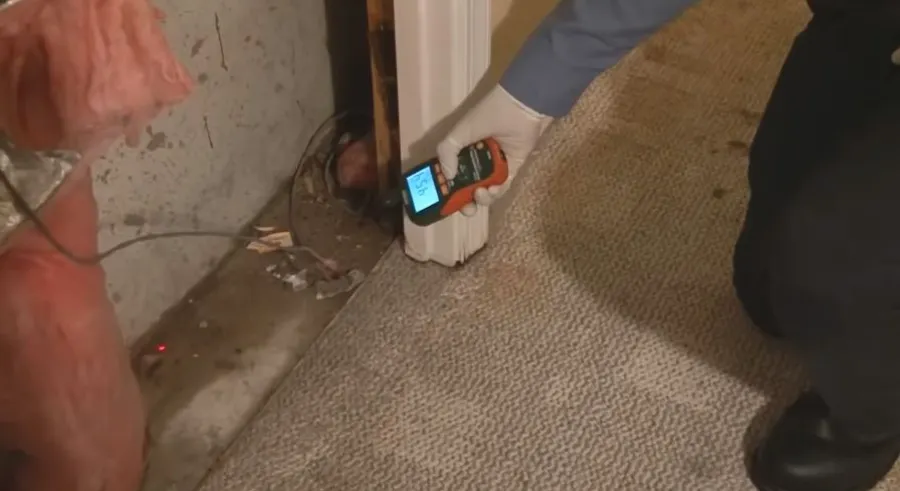
Moisture readings, humidity checks, and thermal imaging to find water in wall cavities or under flooring.
Water Extraction
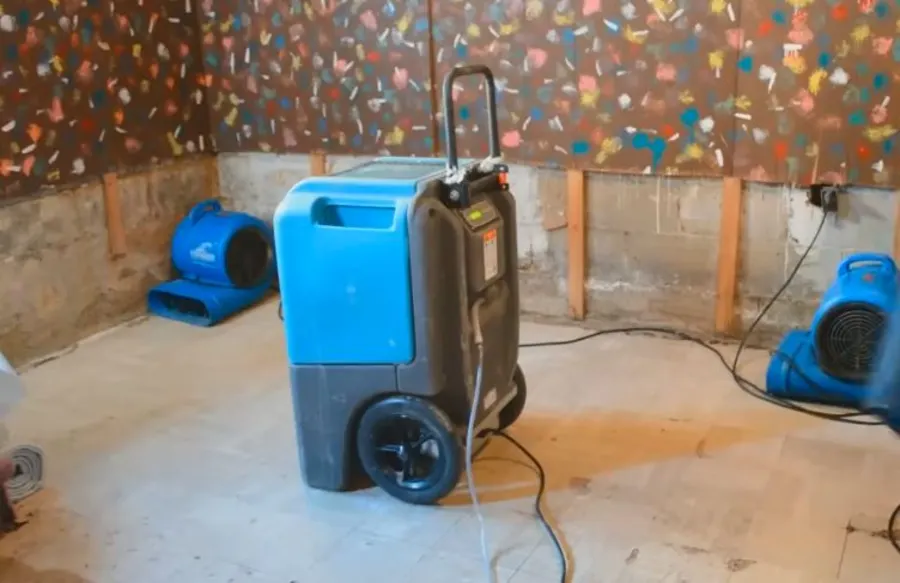
Pumps and extractors sized to the job. A wet closet is a different response than a lakefront home that took on storm water.
Structural Drying
Given Rowlett’s lakeside humidity, we track moisture readings until materials are actually dry, not just “close to dry.”
Cleaning & Material Removal
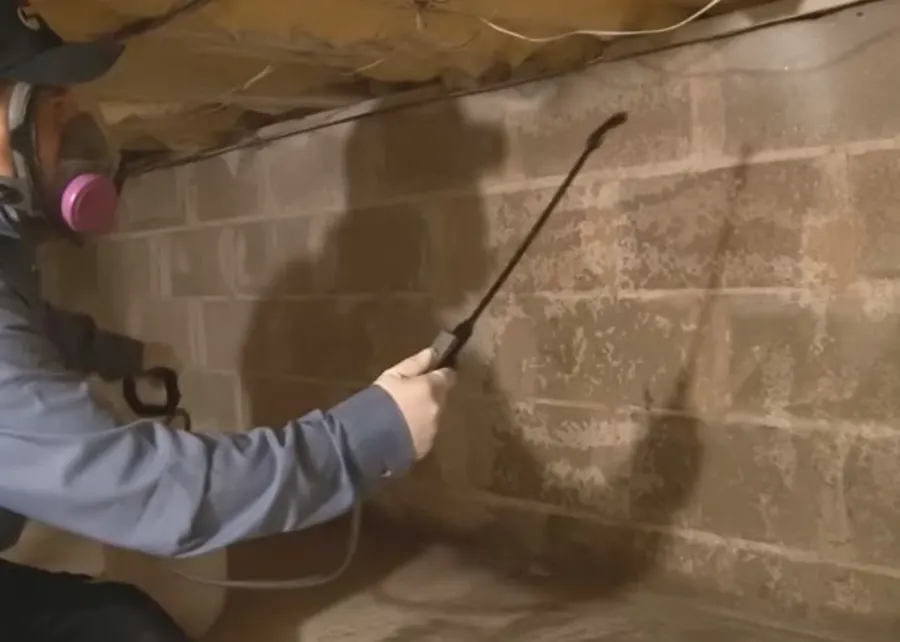
Contaminated (Category 3) water gets treated differently than a clean supply-line break, with proper disposal when needed.
Documentation
Photos, moisture logs, and a written scope, whether it’s your own insurance or a property manager coordinating multiple stakeholders.
Insurance And Flood Risk In Rowlett
Rowlett’s lakefront location means the standard homeowners-insurance-versus-flood-insurance distinction matters more here than almost anywhere else in our service area. A burst pipe or storm-driven roof leak is typically a homeowners insurance matter, minus your deductible. Water from rising lake levels or overwhelmed storm drainage is a different category. That’s flood risk, and it generally requires separate NFIP flood coverage, not a standard policy. If you’re near Lake Ray Hubbard, it’s worth knowing which kind of coverage you actually have before you need it, not after.
For apartment complexes, HOA-managed communities, and commercial properties along Lakeview Parkway, water events often involve multiple insurance interests: the property owner, individual unit owners or tenants, and sometimes a property management company. We document conditions thoroughly enough to support whichever of those conversations you’re having.
Why Rowlett Property Owners Call Garland Restore
| What Sets Us Apart | Why It Matters |
|---|---|
| We know the difference between 75088 and 75089 | Not just as numbers, but as genuinely different parts of the city with different housing stock and different water-risk profiles. |
| We know Rowlett’s real history | From the 2015 tornado and the Martha Boulevard water tower to how the city’s drainage infrastructure has actually failed before, not because it makes good marketing copy, but because it shapes how seriously we take a storm call here. |
| We give you a written estimate before work starts | The same standard we hold ourselves to everywhere we work. No phone quote that turns into a bigger invoice once the crew is inside your house. See our full cost guide for typical ranges. |
| We coordinate with HOAs and property managers | When a water event isn’t just one homeowner’s problem, which is common in Rowlett’s apartment and townhome communities. |
Rowlett Water Damage FAQs
Do you serve both the 75088 and 75089 zip codes in Rowlett?
Yes, we serve all of Rowlett, including both the lakeside 75088 area and the 75089 Town Center area, along with properties in both the Dallas County and Rockwall County portions of the city.
Does living near Lake Ray Hubbard increase my water damage risk?
Properties closer to the lake generally experience higher ambient humidity and stronger storm impact, which can mean faster moisture buildup in walls and a higher risk of mold if drying is delayed after a water event. Lakefront properties benefit from prompt, thorough structural drying more than inland homes do.
Is water damage from Lake Ray Hubbard covered by homeowners insurance?
Typically not on its own. Water from rising lake levels or overwhelmed storm drainage is generally a flood-insurance matter requiring separate NFIP coverage, while a burst pipe or storm-driven roof leak is usually a standard homeowners insurance claim, minus your deductible.
Can you handle water damage in Rowlett apartments and HOA-managed communities?
Yes. We regularly work with property managers, HOAs, and multiple affected parties when water damage isn’t confined to a single unit, common in Rowlett’s townhome and apartment communities near Lakeview Parkway and Dalrock Road.
How fast can you respond to a water emergency in Rowlett?
We accept emergency calls 24/7 and prioritize active water emergencies. Once we know your location and what’s happening, we’ll give you the most honest response window we can. We’d rather tell you the truth than promise a fixed number of minutes we can’t actually guarantee every time.
Do you handle sewage backups in Rowlett?
Yes. Category 3 (contaminated) water from a sewage backup requires different handling than a clean-water leak: proper PPE, containment, and disposal of affected porous materials. Rowlett’s drainage infrastructure has experienced real, documented sewer failures before, so this isn’t a hypothetical risk here.
What causes water damage in newer Rowlett construction?
Newer homes aren’t immune. Supply line fittings, appliance connections, and PEX plumbing issues can still fail, and open floor plans common in newer Rowlett developments mean water spreads across multiple rooms quickly before anyone notices.