Water Damage Restoration in Plano, TX
A Real Crew, Not A Network Of “Partners.”Plano is Collin County’s largest city, and it’s grown fast enough that a lot of the “local” water damage companies you’ll find searching this aren’t local at all, some are referral sites that farm your information out to whichever subcontractor answers first. Garland Restore isn’t that. We’re a Garland-based water damage restoration team, a real crew that knows the difference between a Legacy West high-rise leak and a slab leak in an original 1970s Plano home, and we treat them differently because they are.
Garland Restore provides 24/7 water damage restoration across all of Plano, TX, every zip code, every housing era, from Historic Downtown Plano to the Legacy West corridor. We perform the work ourselves with our own trained crew, give you a written estimate before work starts, and handle direct insurance billing. Call (972) 526-5223 any time, day or night.
Plano Is Bigger Than Most Water Damage Companies Treat It
Plano is Collin County’s largest city, with a population of roughly 293,000 people across about 112,000 households, a 56.9% homeownership rate, and a median owner-occupied home value near $465,900. That’s a genuinely large, genuinely varied city, which means a lot of the “water damage restoration Plano” results you’re looking at right now aren’t run by anyone who actually understands that variety.
Some of the sites ranking for this exact search are referral networks, they take your information and hand your job to whichever subcontractor answers first, often describing themselves openly as working with “our partners” or “our team of contractors and partners” rather than saying they do the work themselves. Garland Restore isn’t that. We’re a real, local crew. We show up, we do the work, and we know the difference between a Legacy West high-rise leak and a slab leak in a 1970s Plano home, because they’re genuinely different jobs.
Plano’s Real Geography, Not Just A City Name Swapped In
Plano spans eight standard zip codes (75023, 75024, 75025, 75026, 75074, 75075, 75093, and 75094) and each one carries a meaningfully different housing and property profile:
| Zip Code(s) | Area |
|---|---|
| 75074 | Historic Downtown Plano, the original commercial and cultural core along Avenue K and Main Street: the oldest housing stock in the city, bordering Oak Point Park. |
| 75023, 75024, 75025 | The Legacy business corridor and north Plano: Legacy West, The Shops at Legacy, and a dense mix of corporate offices, high-end apartments, and newer mixed-use development. |
| 75093 | West Plano, bordering Arbor Hills Nature Preserve: among the most affluent zip codes in the city, with property values well above the Plano average. |
| 75075, 75094 | Established central and east Plano neighborhoods, largely built out from the 1970s through the 1990s. |
Oak Point Park, Plano’s largest park at roughly 800 acres, runs along Rowlett Creek with miles of nature trail tracing the creek’s path, the same Rowlett Creek watershed that flows through the city of Rowlett and factors into flood risk there too. If you’re near this corridor, or along Spring Creek Parkway, which threads through the western part of the park, that’s genuinely relevant to how quickly stormwater moves through your neighborhood during a serious rain event.
Plano’s drainage system is also structurally different from Garland’s and Rowlett’s: many of the city’s natural creeks have been paved and tied directly into the engineered storm drainage network rather than left as open waterways. That changes how fast heavy rain moves through residential streets, a factor that matters when you’re trying to understand why water showed up somewhere you didn’t expect it.
Plano’s Real Storm History
Winter Storm Uri (February 2021) hit Plano hard, the same as the rest of North Texas. As pipes across the region began freezing and bursting, Plano’s water demand doubled as residents dripped faucets to keep lines from freezing, and the city fielded more than 300 emergency water-shutoff calls over a single weekend. If you were in Plano that week, you already know what a citywide freeze event does to plumbing all at once, and it’s not a one-time historical footnote. North Texas gets hard freezes most winters, and every one puts exposed, poorly insulated pipes at risk again.
Severe wind events are a real, ongoing risk too. Plano has experienced damaging straight-line wind storms with gusts well over 80 mph in recent years, tearing off and exposing roofing across parts of the city. An exposed roof during the next rain event is exactly how storm-wind damage turns into a full water-damage claim within days if it isn’t addressed fast, the two aren’t separate problems, they’re the same problem on a short timeline.
The City of Plano maintains its own flood-hazard mapping and flood-insurance guidance directly, which is worth checking if your property sits near one of the engineered drainage corridors, standard homeowners insurance generally doesn’t cover flood water entering from outside the home.
Signs You May Have Water Damage
- ✓A musty or earthy smell in a closet, bathroom, or utility room
- ✓Ceiling or wall staining that keeps spreading
- ✓Paint or wallpaper bubbling, peeling, or feeling soft
- ✓Warped, cupping, or soft flooring
- ✓A water bill that jumped without explanation
- ✓Warm spots on the floor (often a hot-water slab leak)
- ✓Condensation regularly forming around windows or vents
- ✓Any past storm or plumbing issue not fully dried out
If any of this sounds familiar, the clock matters: mold can begin colonizing wet materials within 24 to 48 hours of exposure. In a city built substantially on the same expansive clay soil that produces Collin County’s well-documented slab-leak pattern, “the water bill went up a little” is often the first real warning sign, not a false alarm.
Common Causes Of Water Damage In Plano
| Cause | Detail |
|---|---|
| Slab leaks | Driven by expansive clay soil common throughout Collin County: one of the most frequently discussed home issues among Plano homeowners |
| Burst and frozen pipes | Especially during North Texas winter freeze events like Winter Storm Uri |
| Roof damage from wind and hail | Lets water into attics and ceilings well after the storm itself has passed |
| Multifamily and high-rise leaks | Common in the Legacy West corridor, where water travels through shared building systems before becoming visible |
| Water heater and appliance failures | Common across every housing era in the city |
| Storm drainage overflow | Relevant given how much of Plano’s natural creek network has been rerouted into engineered storm drains |
| Sewage and drain backups | Requires different handling than a clean-water leak due to contamination |
What Water Damage Can Actually Affect
Flooring
Hardwood, laminate, and engineered flooring can cup, warp, or delaminate even from water that doesn’t look severe on the surface.
Cabinetry & Built-Ins
Cabinets near a slab leak or supply-line failure can swell and separate at the joints, sometimes requiring replacement.
Drywall & Insulation
Water travels along framing well beyond the visible stain, especially in multi-story or multifamily construction common in the Legacy corridor.
Electronics & Contents
Standing water near outlets or ground-floor storage in townhomes and condos can affect far more than the structure itself.
Structural Elements
Prolonged or repeated slab leaks, left unaddressed, can affect foundation stability, a real, documented concern in Collin County’s clay-soil geology.
Our Water Damage Restoration Process In Plano
Emergency Intake
We confirm your exact location and zip code, what’s happening, and whether it’s single-family, townhome, or multifamily.
Inspection & Moisture Mapping
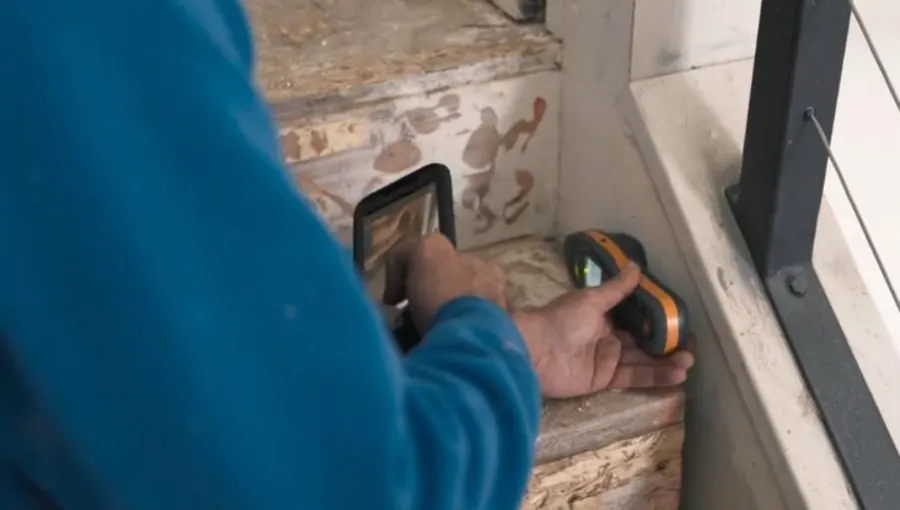
Moisture readings, humidity checks, and thermal imaging. We identify the water category, clean, gray, or contaminated.
Water Extraction
Pumps and extractors sized to the volume and surface involved.
Structural Drying
We track moisture readings until materials are actually dry, applied psychrometry, not just running fans.
Cleaning & Material Removal
Contaminated water is handled differently than a clean supply-line break.
Documentation
Photos, moisture logs, and a written scope, for your insurer or a property manager.
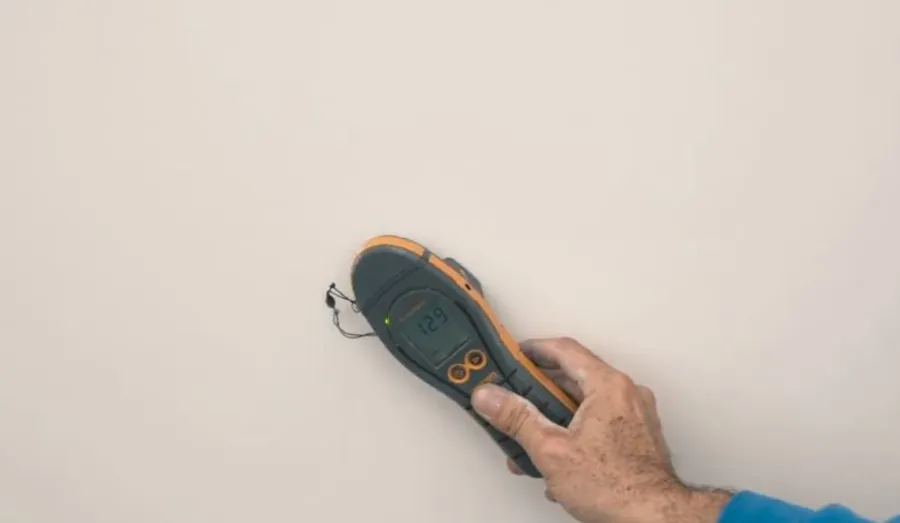
Our technicians are trained to the ANSI/IICRC S500 standard, the industry benchmark for how a water loss should actually be assessed, categorized, and dried, not an internal company shortcut. Texas also regulates mold-related work specifically: a formal remediation notification is generally required once qualifying mold contamination reaches 25 contiguous square feet or more, under rules enforced by the Texas Department of Licensing and Regulation. If Plano water damage has been sitting long enough for mold to become a concern, that’s a real legal framework we work within, not a sales tactic.
What Does Water Damage Restoration Cost In Plano?
Cost depends primarily on water category and how much material is affected, not just square footage.
| Water Category | Typical Cost |
|---|---|
| Clean water (burst supply line, appliance failure) | $1,500 – $5,000 |
| Gray water (washing machine, appliance discharge) | $3,000 – $8,000 |
| Contaminated black water (sewage, storm water) | $8,000 – $25,000+ |
A referral network quoting a flat number over the phone has no way of knowing which of these situations they’re actually walking into. We inspect first and give you a written scope, not a guess that changes once the crew is already inside. For a full breakdown of typical ranges by category, see our water damage cost guide.
Insurance And Water Damage In Plano
A burst pipe or sudden appliance failure is typically a standard homeowners insurance matter, minus your deductible. Water entering from an overwhelmed storm drain or rising water is usually a separate flood-insurance question requiring NFIP coverage, not something a standard policy covers.
We document conditions thoroughly (photos, moisture readings, written scope) because that’s exactly what a legitimate insurance claim needs to move without unnecessary delay. We don’t decide what your policy covers. We make sure the paperwork on our end isn’t the reason a valid claim gets stuck.
Renters, Landlords, And Property Managers In Plano
With Plano’s homeownership rate at roughly 57%, a meaningful share of the city’s residents are renters, particularly in the dense apartment and mixed-use development around Legacy West. Water damage in a rental raises different questions than it does for an owner-occupied home:
If You’re A Renter
Document the damage immediately with photos and notify your landlord or property manager in writing. You generally have a right to a habitable unit, and depending on your lease, your landlord may be responsible for repair costs and, in some cases, temporary relocation.
If You’re A Landlord Or Property Manager
A leak in a multi-unit building rarely affects just one tenant. We coordinate directly with property management when water travels between units, through shared walls, or into common areas, common in Plano’s Legacy-area apartment and condo buildings.
Why Plano Property Owners Call Garland Restore
| What Sets Us Apart | Why It Matters |
|---|---|
| We’re a real crew, not a referral network | Some sites ranking for “water damage restoration Plano” openly describe using “partners” and subcontractors. We perform the work ourselves. |
| We know Plano isn’t one neighborhood | A Legacy West apartment leak and a 75074 slab leak get treated differently, because they’re genuinely different problems. |
| We give you a written estimate before work starts | No phone quote that turns into a bigger invoice once the crew is already inside. |
| We coordinate with property managers and HOAs | Common in Plano’s Legacy-area multifamily and mixed-use buildings, where a leak is rarely just one person’s problem. |
| We’re trained to the IICRC S500 standard | The industry benchmark for water damage assessment and drying, not an internal shortcut. |
Plano Water Damage FAQs
Do you serve all of Plano’s zip codes?
Yes: we serve all of Plano, including 75023, 75024, 75025, 75026, 75074, 75075, 75093, and 75094, covering everything from Historic Downtown to the Legacy corridor to west Plano.
Is Garland Restore an actual local company, or a referral service?
We’re a real, local restoration team, we perform the work ourselves rather than forwarding your information to a third-party subcontractor.
How fast can you respond to a water emergency in Plano?
We accept emergency calls 24/7 and prioritize active water emergencies. We’ll give you the most honest response window we can once we know your location and situation, rather than a fixed promise we can’t guarantee every time.
Can you handle water damage in a Plano apartment, condo, or high-rise?
Yes. We regularly coordinate with property managers and HOAs when water damage affects a multifamily building, which is common in the Legacy West and north Plano corridor.
Does homeowners insurance cover water damage in Plano?
Often, for sudden events like a burst pipe, minus your deductible. Water from outside the home (storm drainage overflow or flooding) is typically a separate flood-insurance matter requiring NFIP coverage, not a standard homeowners policy.
What causes slab leaks in Plano?
Expansive clay soil common throughout Collin County shifts with moisture changes, putting stress on underground plumbing over time, a well-documented, recurring issue for Plano homeowners regardless of when their home was built.
How do I know if I have a slab leak versus another kind of leak?
Common warning signs include an unexplained spike in your water bill, warm spots on flooring (for a hot-water line leak), the sound of running water when everything is off, and unexplained moisture near the foundation. A licensed plumber can confirm with a pressure test.
Do you handle mold if my Plano property had water damage that sat too long?
Yes. Texas law requires a formal notification process once qualifying mold contamination reaches 25 contiguous square feet, and we work within that framework rather than treating it as optional. See our mold remediation guide for the full process.
What’s the difference between water mitigation and water restoration?
Mitigation is the emergency phase (extraction, drying, containment) that stops damage from getting worse. Restoration is the rebuild phase afterward, drywall, flooring, paint. Most water damage jobs involve both, in that order.
Can I stay in my home during water damage restoration?
Often, yes, if the affected area can be safely contained and separated from the rest of the living space. Larger losses, contaminated water, or extensive drying equipment may require temporary relocation, we’ll tell you honestly what your specific situation needs.
Do you work with HOAs in Plano’s newer planned communities?
Yes. Many of Plano’s newer developments are HOA-managed, and we’re used to coordinating scope, documentation, and approvals with HOA management alongside the homeowner.
What areas near Plano do you also serve?
Alongside all of Plano, we serve Garland, Rowlett, Richardson, Mesquite, Sachse, and Rockwall.