Fire Damage Restoration in Garland, TX
A house fire doesn’t stay in one room. Smoke travels through the whole structure, soot settles on surfaces the flames never touched, and the water used to put the fire out often causes a second wave of damage. We handle emergency board-up, smoke and soot cleanup, odor treatment, contents recovery, fire-suppression water removal, and repair coordination.
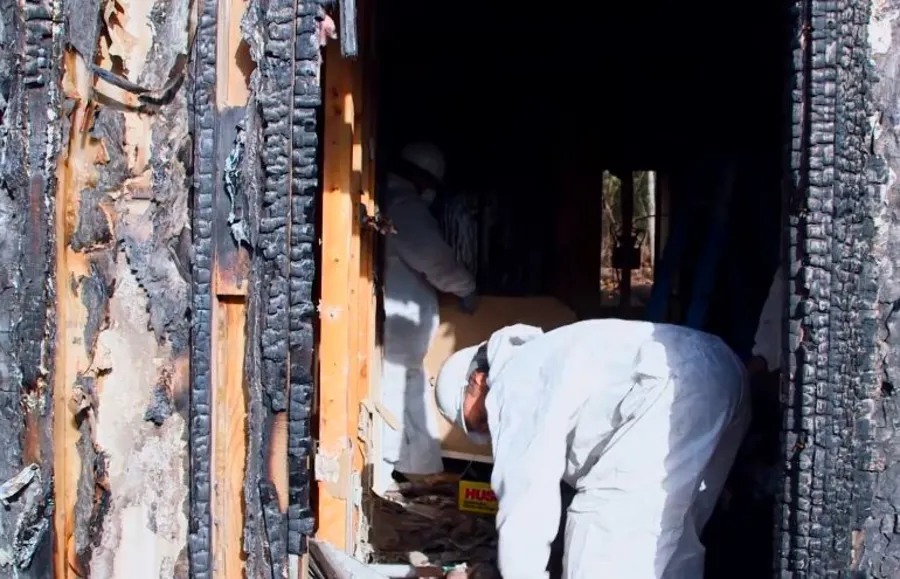
What To Do Right After A Fire In Your Garland Home
Once you’re cleared to go back in, avoid touching soot or trying to clean anything yourself before you’ve photographed it, and don’t attempt to restore your own power or gas.
That’s the short version. Here’s what actually matters in the first hours and days:
Stay out until it’s officially safe. Even a small, contained fire can leave hidden hot spots, weakened framing, or compromised electrical systems.
Never try to reconnect power or gas yourself. If you smell gas or hear hissing, leave immediately and call the fire department from a safe distance.
Don’t use candles or open flame to look around if the power is out. Use a flashlight instead, especially if there’s any chance of a gas leak.
Watch for smoke and embers, including in the attic. Hot spots can flare back up hours after firefighters leave.
Don’t walk on a sagging floor. It can collapse under your weight.
Discard food exposed to heat, smoke, or soot, even if the packaging looks fine.
Keep pets away from the property until debris and any contaminated water have been cleared.
Photograph the damage before you move or discard anything, for your insurance claim.
Don’t remove tape or tags placed by the fire department or a building inspector unless you’ve been told it’s safe.
Call your insurance company to start the claims process and ask what needs documenting before cleanup begins.
These steps reflect guidance from the American Red Cross on home fire recovery. If you’re not sure whether it’s safe to start cleaning up, that’s a reasonable thing to call and ask us about first.
What Is Fire Damage Restoration?
Fire damage restoration is the process of assessing, stabilizing, cleaning, and documenting a property after a fire, so it can be safely repaired and reoccupied. It covers more than the burned area itself. A fire confined to one room can still affect the rest of the property through smoke travel, soot deposition, firefighting water, and sometimes the HVAC system.
The general sequence looks like this: flame and heat damage → smoke → soot and fire residue → odor → contents → firefighting water → structural and HVAC assessment → cleaning and repair → permitting and reoccupancy. Each stage has its own decisions, and skipping one (cleaning surfaces before assessing the HVAC system, for example, or starting repairs before the required city inspection) tends to create problems later.
ANSI/IICRC S700 is the current industry standard developed specifically for professional fire and smoke damage restoration, published in its first edition by the Institute of Inspection, Cleaning and Restoration Certification (IICRC) in January 2025. It describes how fire residue and odor should be assessed, how buildings, HVAC systems, and contents should be evaluated, and how the restoration work plan and documentation should be handled. It also draws a boundary that matters for homeowners: restoration means cleaning and treating materials back toward pre-loss condition, while reconstruction, rebuilding what can’t be cleaned, falls outside what the standard comprehensively addresses. We reference S700 here because it’s a useful framework for understanding what a thorough fire-loss assessment actually involves, not as a claim about a specific credential.
Our Fire & Smoke Damage Restoration Process
Emergency Call & Safety Screening
We confirm the property has been cleared by the fire department and what immediate hazards are present before anyone is dispatched.
Site Safety Check
Wet electrical systems, compromised structure, and gas lines are evaluated before any technician enters, coordinating with the right utility or licensed trade.
Damage Assessment
Room-by-room inspection identifies heat damage, smoke path, soot type, affected materials, and whether firefighting water is present.
Emergency Stabilization
Board-up, roof tarping, and temporary protection secure the structure against weather, theft, and further damage.
Water Removal, If Present
Standing firefighting water is extracted using our standard emergency water extraction process.
Contents Assessment
Belongings are inventoried and sorted into salvageable, needs-cleaning, and non-restorable categories.
Structural Cleaning
Soot and fire residue are removed using cleaning methods matched to the type of residue present.
HVAC Evaluation
The system is assessed for impacted versus non-impacted components before any decision on cleaning or repair.
Odor Treatment
Once source removal and cleaning are complete, remaining smoke odor trapped in porous materials is addressed.
Permit & Insurance Documentation
You receive photos, scope of work, and records for the City’s fire-repair permit and your insurance claim.
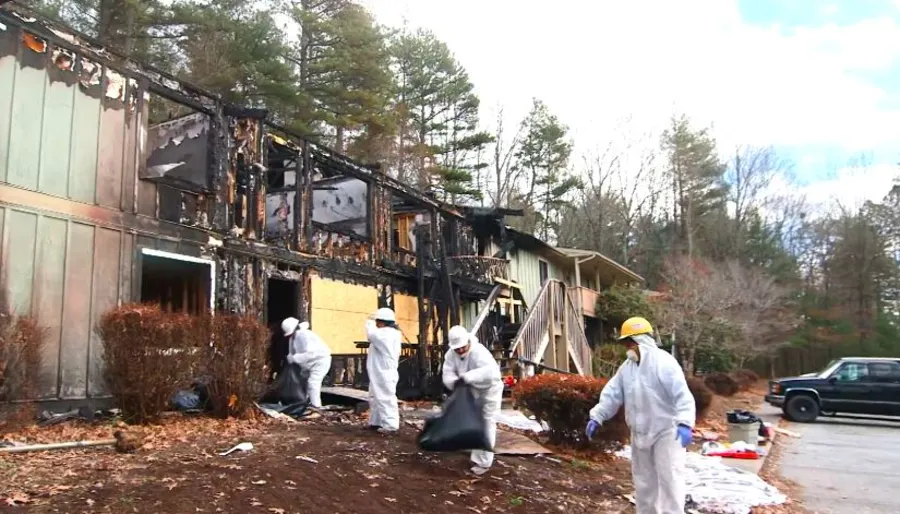
We don’t start with unnecessary demolition or a fixed equipment package. Every fire is different, and the plan is built around what the inspection actually shows.
Smoke, Soot & Odor After A Fire
Why does the whole house smell like smoke when the fire only burned one room? Because smoke is airborne. It moves through open doors, HVAC ducts, wall cavities, and even small gaps around outlets and light fixtures, carrying soot and odor with it well beyond the burned area. That’s why a fire-damage assessment covers the entire property, not just the room where the fire started.
Can smoke damage actually be cleaned, or does everything need to be replaced? Often it can be cleaned. The right approach depends on the type of residue:
| Residue Type | What It Comes From | Characteristics |
|---|---|---|
| Dry smoke | Fast, high-heat fires (wood, paper) | Powdery rather than smeary, usually the easiest to clean |
| Wet smoke | Slower, lower-heat, smoldering fires, often plastics or rubber | Sticky, smears easily, carries a stronger odor |
| Protein residue | Fires involving food or organic material (e.g. a stovetop fire) | Often nearly invisible but leaves a strong, persistent odor |
| Fuel oil soot | A furnace puff-back | Oily, with its own distinct smell |
The reason a general household cleaner often doesn’t work, and can sometimes make things worse, is that the wrong chemistry for a given residue type can smear or set the soot into the material instead of lifting it off. That’s also why we recommend not scrubbing at soot yourself before it’s been assessed.
Odor is its own problem, separate from visible soot. Smoke odor gets absorbed into porous materials like drywall, insulation, carpet padding, and fabric, and it can keep resurfacing (especially in humidity) until the source is actually removed and the material is properly cleaned or replaced, not just masked with a spray or an air freshener.
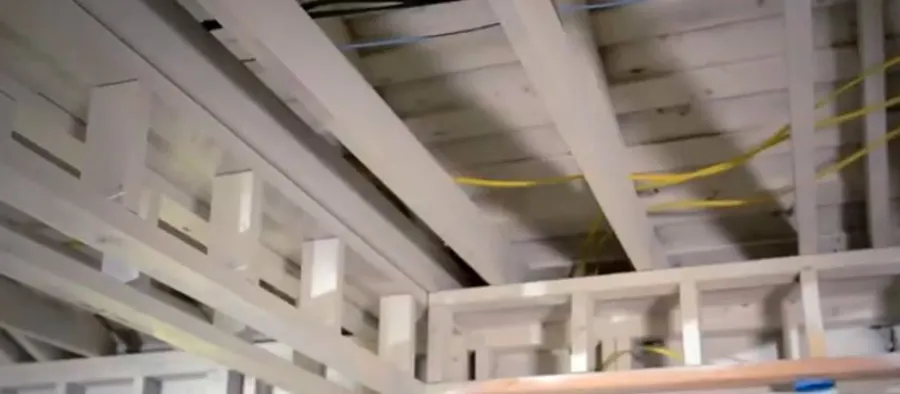
Fire-Suppression Water: The Second Damage Most People Don’t Expect
Putting a fire out takes water, sometimes a lot of it, and that water has to go somewhere. Homeowners are often surprised to learn they have a water damage problem on top of a fire damage problem, especially on floors below where the fire occurred or in rooms that weren’t touched by flame or smoke.
Fire-suppression water needs to be extracted and affected materials need to be dried, but the cleanup approach depends on what the water contacted. Water that picked up soot, ash, or debris on its way through a burning structure isn’t the same as a clean water-line break, and it’s assessed accordingly. If your property has standing water or saturated materials from firefighting efforts, that assessment and drying work follows our standard water extraction and structural drying process, coordinated as part of your fire-loss plan rather than run as a separate project.
What Happens To HVAC After A Fire
The instinct is often “smoke got into the ducts, so the whole system needs to be cleaned.” Sometimes that’s true. Sometimes it isn’t, and cleaning or replacing components that weren’t actually affected is an unnecessary expense.
The better question is: was the HVAC system impacted, which components were affected, is there residue or odor present, and what’s actually restorable? That’s the assessment logic described in the ANSI/IICRC S590 Standard for Assessing HVAC Systems Following a Water, Fire, or Mold Damage Event, published by the IICRC in 2023. It lays out how to distinguish impacted from non-impacted internal surfaces and how to determine which components are restorable versus which need replacement, based on visual deposition and odor testing rather than a blanket assumption.
In practice, this means: if your HVAC system was running during the fire, or if there’s visible soot or a persistent burnt smell coming from your vents, it needs to be evaluated before you turn it back on. If it wasn’t running and there’s no evidence of residue in the system, a full duct cleaning may not be necessary. That determination comes from the assessment, not from defaulting to “clean everything” or assuming nothing needs attention.
Contents: What Can Be Saved After A Fire
This is usually one of the most emotional parts of a fire loss, and one of the most misunderstood. A lot more can often be saved than people expect, but it depends on the material, the type of residue, and how quickly it’s addressed.
| Step | What Happens |
|---|---|
| 1. Inventory | Every affected item is documented before anything is moved or discarded. |
| 2. Documentation | Photos and a written record support both the salvage decision and your insurance claim. |
| 3. Salvageability decision | Textiles, documents, photos, electronics, and furniture each respond differently to smoke, soot, and water. Some items can be cleaned on-site, others need specialized off-site cleaning, and some genuinely can’t be restored. |
| 4. Pack-out, if needed | Items requiring off-site cleaning, or that need to move so repair work can proceed, are inventoried and transported for cleaning and secure storage. |
| 5. Cleaning and storage | Salvageable items are cleaned using methods appropriate to the material and residue type, then stored until the property is ready. |
| 6. Pack-back | Once repairs are complete, cleaned and stored contents are returned. |
Don’t throw away damaged belongings before they’ve been documented and before you’ve confirmed what your insurance adjuster needs to see. Once something is discarded, it’s much harder to include in a claim.
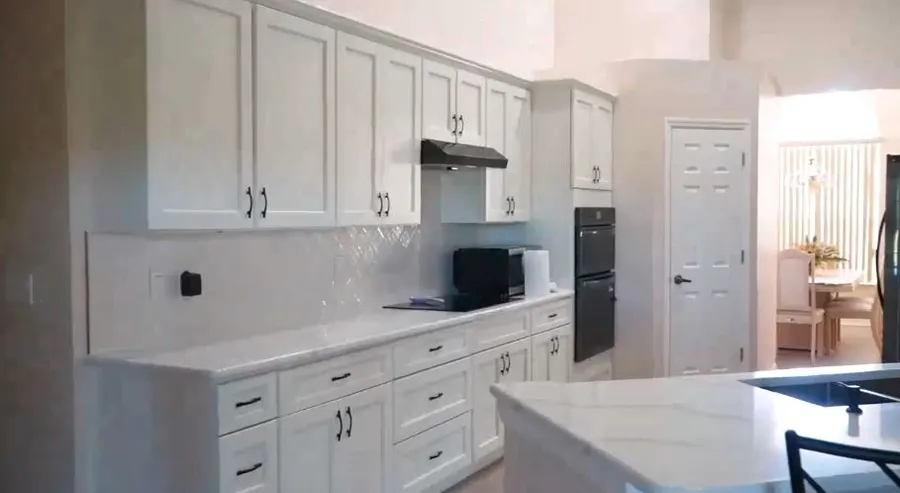
Garland’s Fire Repair Permit, Inspection & Reoccupancy Rules
This is the part of a fire loss most homeowners have never dealt with before, and it’s specific to how the City of Garland handles fire repairs, not something a national restoration guide will tell you.
Before you can even apply for a repair permit, the City of Garland requires that all debris and damaged sheetrock be removed, and that the Building Inspection Department complete a “pre-fire inspection.” This inspection determines what repairs the City is going to require before the space can be reoccupied. Once that inspection is done, the homeowner or contractor can apply for the building permit, which requires the completed application and a scope of work (typically the one your insurance company provides once an adjuster has assessed the damage).
Depending on how severe the fire damage is, the City’s Code Compliance Department may also get involved. For any rental property, Code Compliance has the final say on when the structure is ready for habitation after fire repairs, regardless of what the homeowner or contractor believes is finished. You can reach Garland Code Compliance directly at 972-485-6400 to ask about requirements specific to your property.
Debris & damaged sheetrock removed
Pre-fire inspection by Building Inspection
Permit application + insurer’s Scope of Work
Repairs performed
Code Compliance sign-off (rentals; some owner-occupied)
Reoccupancy
We can’t issue permits or perform city inspections. That’s the City’s role, not ours. What we provide is restoration documentation: photographs, moisture readings where applicable, cleaning records, and a written scope of work, built to support your insurance claim and the Scope of Work the City’s process requires, not to substitute for what the City itself asks for.
Official sources: City of Garland, Fire Repair · City of Garland, Code Compliance
Insurance & Fire Damage Claims In Texas
Most Texas homeowners policies cover fire damage. According to the Texas Department of Insurance, standard home insurance typically covers damage from fire and lightning, as well as the sudden and accidental release of water or smoke. What’s actually covered, and how much, depends entirely on your specific policy, its limits, and its exclusions, which is why we’re not going to give you a generic promise about what your claim will pay.
What we can tell you: your insurance company will typically send an adjuster to assess the damage and determine coverage. Garland Restore doesn’t adjust claims or negotiate with your insurance company on your behalf, but we do provide the documentation adjusters and city permitting both rely on: photographs, moisture readings, affected-material records, a written scope of work, and invoices.
- ✓Don’t discard damaged items before they’re documented. Photograph everything first.
- ✓Ask your insurer what “additional living expenses” or “loss of use” coverage means for your policy if you can’t stay in the home. Many policies include some coverage for temporary housing.
- ✓Keep records of every conversation and expense related to the fire, including receipts for anything you had to pay out of pocket.
- ✓Get a copy of the fire department’s incident report. It’s often useful supporting documentation for a claim.
For questions specific to your policy, the Texas Department of Insurance Help Line can be reached at 800-252-3439, Monday through Friday, 8 a.m. to 5 p.m.
Commercial Fire Damage Restoration In Garland
A fire at a business creates problems a residential loss doesn’t: business interruption, inventory and equipment losses, employee and customer safety, and often multiple stakeholders (an owner, a tenant, a property manager, more than one insurer) who all need to be kept informed.
Garland Restore provides fire and smoke damage restoration for offices, retail spaces, restaurants, warehouses, and other commercial properties in Garland, covering the same core work: emergency stabilization, smoke and soot cleaning, odor treatment, contents and inventory handling, HVAC evaluation, and documentation. Where firefighting water or standing water is part of the loss, that portion follows the same process used on our commercial water damage restoration projects, including moisture mapping and structural drying sized to what the building can actually support.
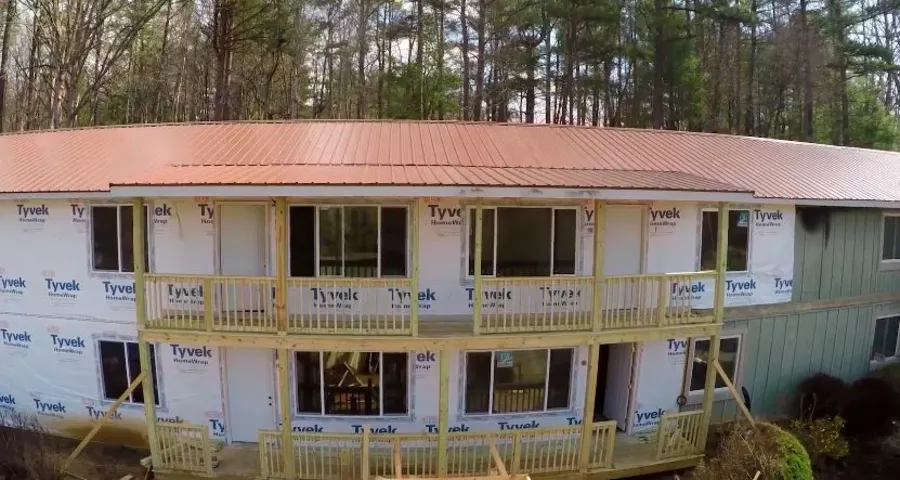
Every commercial fire loss is different depending on occupancy type, whether part of the property can safely reopen while another part is restored, and what your insurance and lease require. Call to talk through your specific situation.
What Affects Fire Damage Restoration Cost & Timeline
There’s no single honest number for what fire damage restoration costs or how long it takes, and any company that quotes you a fixed price over the phone before inspecting the property is guessing. What actually drives cost and timeline:
- ✓Size of the fire and how far smoke and soot spread
- ✓Whether firefighting water was involved, and how much
- ✓Whether contents need to be packed out, cleaned, and stored
- ✓Extent of structural and HVAC damage
- ✓Whether demolition of damaged materials is required
- ✓How long it takes to get the City’s pre-fire inspection and permit
- ✓How quickly your insurance company documents and approves the scope of work
- ✓Whether the property is residential or commercial, and its occupancy requirements
A small, contained kitchen fire with light smoke spread is a very different project from a fire that damaged multiple rooms and required significant firefighting water. We evaluate the property first and provide a written scope, not a number that changes after work has already started. For general residential water-damage cost ranges (relevant if firefighting water is part of your loss), see our water damage restoration cost guide.
Why Garland Property Owners Call Garland Restore
| What We Do | Why It Matters |
|---|---|
| We document everything your insurer needs | Photos, moisture readings, cleaning records, and a written scope, plus the Scope of Work Garland’s fire-repair permit process specifically requires. |
| We explain the process instead of just doing work | You’ll know why a material is being removed, why contents are being packed out, or why part of the HVAC system needs evaluation, not just that it’s happening. |
| We coordinate fire-suppression water alongside the fire loss | Instead of treating it as a separate project you have to manage yourself. |
| We tell you what we don’t know yet | Cost, timeline, and salvageability all depend on the inspection. We won’t promise a number before we’ve actually looked at the property. |
| One direct line, one Garland address | (972) 526-5223 and 1802 Pleasant Valley Rd in Garland, not a national directory page. |
Learn more about Garland Restore or get in touch with questions before you decide who to call.
Areas We Serve
Garland Restore provides fire damage restoration throughout Garland (ZIP codes 75040, 75041, 75042, 75043, 75044, 75046, 75047, and 75049) and nearby communities including Rowlett, Richardson, Mesquite, Plano, Sachse, and Rockwall.
Frequently Asked Questions
What should I do immediately after firefighters leave my house?
Don’t go back in until the fire department says it’s safe. Once you’re cleared, don’t try to restore your own power or gas, watch for the smell of gas, avoid open flames if the power is out, and photograph the damage before you move or discard anything.
Can smoke and soot damage actually be cleaned, or do I need to replace everything?
Often it can be cleaned. The right method depends on whether the residue is dry, wet, protein-based, or fuel oil soot, which is why a general household cleaner frequently doesn’t work and can sometimes set the residue in deeper.
Why does my whole house smell like smoke when the fire was only in one room?
Smoke is airborne and travels through doorways, HVAC ducts, and small gaps in walls and fixtures, carrying soot and odor well beyond the room where the fire started.
Can I stay in my home after a fire?
That depends on the extent of damage, and in Garland it’s ultimately determined by the City. The Building Inspection Department has to complete a pre-fire inspection before repairs can begin, and for rental properties, Code Compliance has the final say on when the property is ready for habitation.
Does Garland require a permit or inspection before I can start fire repairs?
Yes. Debris and damaged sheetrock must be removed first, then the City’s Building Inspection Department performs a pre-fire inspection. After that, you can apply for the repair permit using a scope of work, typically provided by your insurance company.
Will my homeowners insurance cover fire and smoke damage?
Most Texas homeowners policies cover fire and lightning damage, as well as sudden and accidental smoke damage, but exact coverage depends on your specific policy, limits, and exclusions. Check with your insurer or the Texas Department of Insurance for details on your coverage.
How long does fire damage restoration take?
It depends on the size of the fire, how far smoke spread, whether firefighting water was involved, how much content needs to be packed out, and how quickly the City’s permit process and your insurance approval move.
How much does fire damage restoration cost?
There’s no fixed price, because cost depends on the extent of fire, smoke, and water damage, whether contents need pack-out, and the repair scope. We inspect the property first and provide a written scope rather than a phone estimate.
Does one company handle both fire damage cleanup and rebuilding?
Garland Restore handles the assessment, stabilization, cleaning, contents recovery, and documentation side of a fire loss. That documentation and scope of work is also what a rebuilding contractor will use to plan repairs.
Does the HVAC system need to be cleaned after a fire?
Not automatically. It depends on whether the system was running during the fire and whether there’s visible residue or odor in the components. We evaluate impacted versus non-impacted parts before recommending cleaning or replacement.
What happens to the water firefighters used to put out the fire?
It has to be extracted and the affected areas properly dried, the same as any other water intrusion, or it becomes a secondary mold risk. This is handled as part of the overall fire-loss plan.